
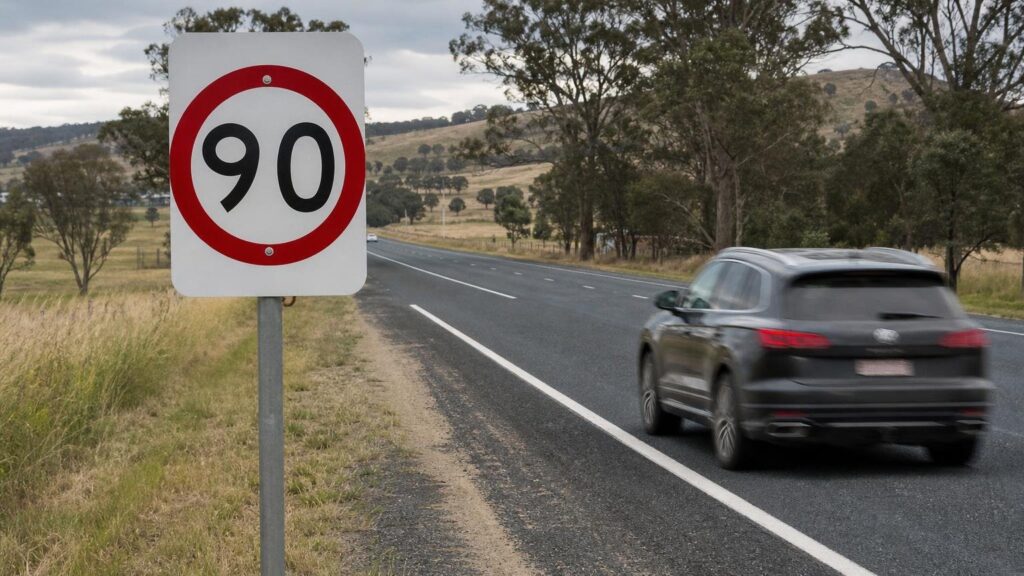
Drivers heading south of Goulburn will soon face a new pace, with the limit tightening to 90 km/h on a key stretch of the Hume. The change lands next week, catching some by surprise and prompting fresh questions about safety and freight efficiency.
Authorities insist the move is about lives, not inconvenience. “We’re acting on evidence and community feedback,” a Transport for NSW spokesperson said, calling the adjustment a “measured step toward fewer crashes.”
Why the change?
The Hume remains a vital national artery, but it also carries a heavy share of high-speed incidents. Officials say the affected section has seen a pattern of near-misses and loss-of-control events, especially in poor weather and at night.
Lower speeds cut kinetic energy and improve driver reaction time. “At 90, mistakes are more forgivable,” noted a road safety advocate, pointing to international data showing meaningful drops in serious injury risk with modest reductions in speed.
What drivers can expect next week
Crews will roll out new signage, line-marking tweaks, and additional advisory boards. Expect variable message signs highlighting the change for at least the first fortnight.
– New 90 km/h plates installed along the southbound corridor, with advance warning on major approaches
Officers are likely to focus on “education first” in the early days, though compliance will still be legally enforceable. Heavy vehicles should prepare for slightly longer trip times and minor schedule shifts.
Local and industry reaction
Opinions along the corridor are predictably mixed. “If it saves even one life, it’s worth the extra few minutes,” said a Goulburn resident who regularly commutes to the capital.
Freight operators are more guarded. A regional carrier acknowledged the safety logic but warned of knock-on costs. “Shaving 10 or 20 km/h off for several kilometres adds up, especially across multi-drop runs,” they said, urging synchronized change-room breaks to offset lost time.
Tourism operators sounded cautiously optimistic. Slower speeds could reduce driver stress, keeping visitors safer as they branch to Southern Tablelands towns and roadside attractions.
Safety and enforcement
The new cap complements recent barrier upgrades, shoulder works, and rumble strip expansions already underway on strategic curves. Engineering fixes remain central, but speed is the lever that changes risk right now.
Police intend visible patrols during the transition, especially at peak holiday periods. “We’re here to remind, not ambush,” one officer said, adding that obvious signage will precede any camera checks.
Night driving deserves extra care. Reduced glare tolerance, fatigue, and wildlife movement all compound high-speed risk. A lower ceiling gives motorists more room to steer, brake, and avoid escalation from minor slip to major impact.
How the change affects travel time
For most trips, the difference will be in minutes, not quarter-hours. On a modest southbound segment, trimming to 90 km/h might add two to four minutes, depending on traffic and stop patterns across the entire journey.
That trade-off can be recovered with smarter planning. Avoiding unnecessary lane changes, setting steady cruise control, and timing fuel stops can keep average speed efficient without breaching the posted limit.
Tips for staying compliant
Keep an eye on your odometer as you pass the first new plates, which will appear well ahead of enforcement zones. Many modern vehicles allow a speed warning chime—set yours to 91 or 92 to build in a small human buffer.
Navigate apps will update maps as the change goes live, but physical signs always take legal precedence. If your display shows a different number, trust the roadside plate.
Truck drivers should recalibrate corner entry speeds and leave extra following distance, particularly when shifting from downhill grades into merges. Light vehicles should resist tailgating; the new limit will compress speed differentials with overtaking lanes.
What comes next
Officials plan to monitor crash frequency, traffic flow, and community feedback over the coming months. If the data show improved outcomes, the cap will likely remain; if not, authorities have left room for targeted adjustments.
“Speed limits aren’t set-and-forget,” the agency spokesperson said. “We’ll keep tuning the corridor so that safety and mobility can both thrive.”
For now, the message is simple: watch the signs, dial back a notch, and let the highway work as intended—moving people and freight with fewer sirens and far more certainty for every trip.