
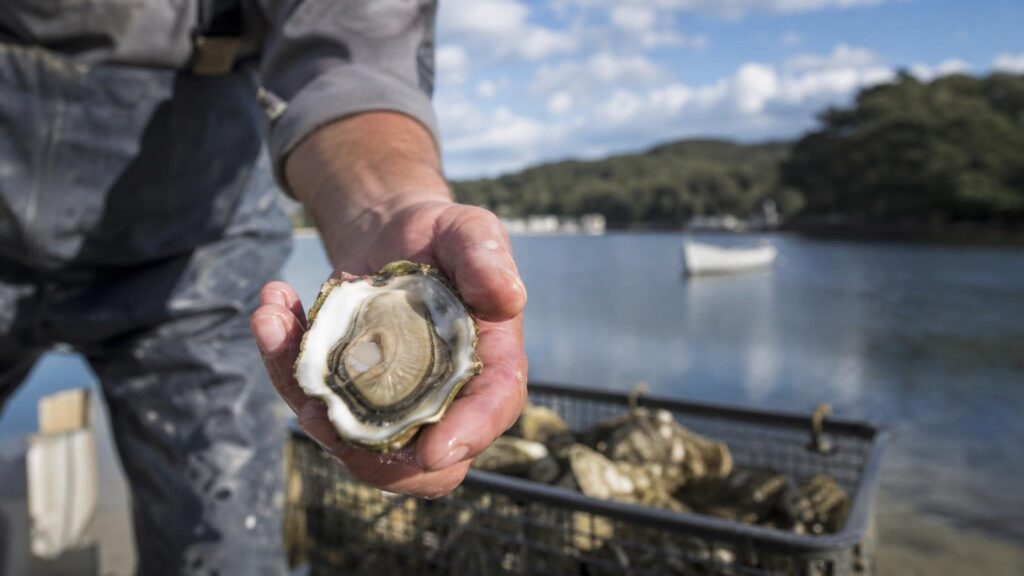
Slip out of the city and, after about a three-hour drive north of Sydney, the hum of traffic fades into the hush of a river town where time moves with the tide. In Karuah, the air tastes faintly of salt, the jetty creaks, and plates arrive glistening with the state’s most coveted oysters — small shells, big character.
Why this river breeds extraordinary oysters
Karuah sits where freshwater from the Barrington hinterland mingles with the sea, creating a mineral-rich, gently brackish nursery for Sydney rock oysters. The mix is delicate, the currents slow, and the mudflats thick with life-giving algae. “The river does the heavy lifting,” an old-timer told me, chin tipped toward the tide. “All we do is keep the shells clean and listen to the weather.”
That alchemy gives the oysters a clean, cucumber-like snap, followed by a sweet, iodine finish. They’re not big; they don’t have to be. Flavor here is about density, not size — a savory whisper that lingers like the scent of rain on hot rocks.
The quiet pleasure of eating by the water
At midday the river is silver, boats twitching on their lines while plates lilt with crushed ice. You’ll slurp three, pause, then reach for three more. “They taste like the tide turning,” a local chef said, passing over a wedge of lemon “for the theatre, not the need.”
Order them natural, freshly shucked, and let the brine be your sauce. A drop of finger lime adds gentle zip; a flick of rice vinegar lifts the umami without stepping on the ocean. Heat? If you must, choose a restrained grill that kisses, not smothers.
Meeting the people behind the shells
Oyster farmers here talk about racks the way surfers talk about breaks. They read tides, watch wind, nurse spat through storms. “You can’t rush a rock oyster,” laughs a farmer in mud-slicked waders. “Two, three, sometimes four years. If you want fast, you’re in the wrong estuary.”
Their sheds are humble, their palates exacting. They grade by thumb, not spreadsheet; they know when a shell is ready by the weight in the hand and the click of the hinge. That craft shows up on the plate — a calm, unshowy perfection.
How to eat like a local
- Start with them natural, then add brightness — lemon, finger lime, or a rice-vinegar mignonette.
- Pair with something crisp and low in alcohol: a local semillon, a sharp cider, or cool soda with lime.
- Keep sides simple: rye bread, cultured butter, sliced cucumber, maybe a peppery leaf salad.
When to visit, and what to expect
Cooler months bring peak clarity, when rain is gentle and algae blooms are more predictable. Summer can be glorious, though heat and heavy rain may slow harvests. Either way, buy from the shed door when you can; the turnover is quick, and locals will steer you right.
If you’re driving up on a Friday, arrive before dusk. The river goes peach, the mangroves turn ink, and the jetty starts to glow. By morning, pelicans patrol like sentinels, and the first shuck of the day lands ice-cold and electric on the tongue.
Beyond the plate
Walk the riverfront path, where paperbarks lean like old friends. Paddle a kayak into side creeks ribboned with sunlit waterweed. Stop at the bakery for a sausage roll and a sly lamington. This is not a place for lists, it’s a place for small rituals — a coffee on the jetty, a chat with a shucker, a slow drive under the bridge just to watch the current.
Within easy reach are quiet beaches and bush trails that smell of tea-tree and warm stone. But you may find yourself circling back to the same timber table, the same dish, like a tide returning to its mark.
Getting there, staying present
The run up the M1 is straightforward; turn off toward the river before the sprawl of Port Stephens. You can make it as a day trip, but give yourself a night. The best meals in small towns are often the ones you never planned, the ones that happen because you were simply there when the tide and the kitchen both said yes.
Pack a small esky for takeaway dozens, and ask for ice and a proper seal. Store them cup-side down in the cold, and eat them within a day or two — preferably by the water, where the brine makes immediate sense.
A taste you will measure by
Some places don’t shout; they shine. Karuah’s gift is a quiet kind of excellence, the sort you only notice when you’ve left and every later oyster is judged by this humble river. “You’ll come back,” the farmer said, closing a lid of clinking shells. He didn’t say it like a boast, more like a forecast — as sure and certain as the next high tide.