
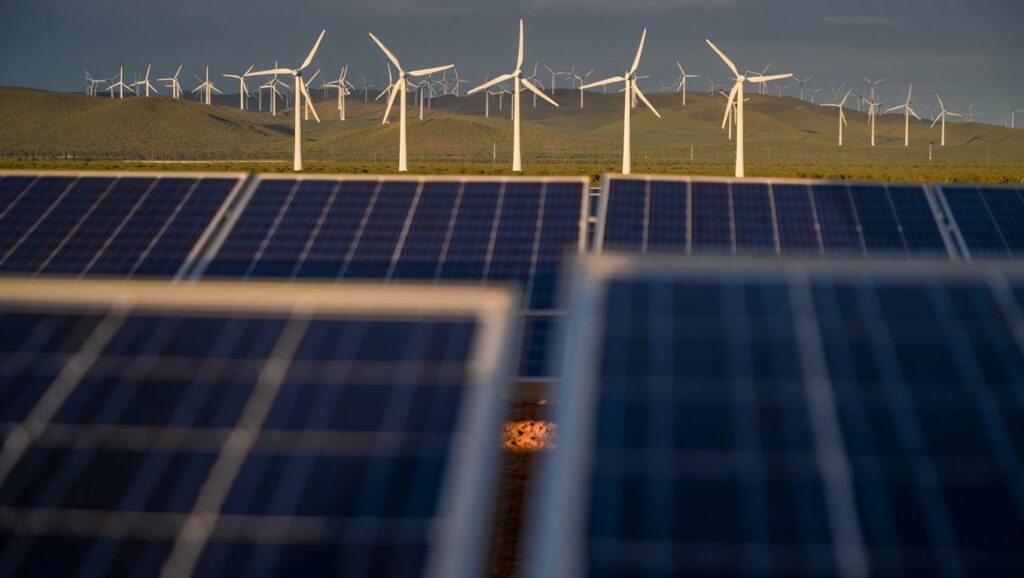
A continent once defined by distance is now defined by abundance. Australia’s rooftops and ridgelines are turning sunlight and wind into a surplus of clean power, and on a per‑person basis the country sits at the very front of the global pack. What seemed improbable a decade ago has become ordinary reality—lunchtime grids awash with solar, nights steadied by wind, and markets learning to live with near‑zero marginal costs.
How did this happen so fast?
Several forces converged with unusual force. Households embraced rooftop PV as a hedge against high retail prices, installers built a nimble supply chain, and policy nudged the first waves of adoption. Corporations signed power‑purchase agreements to hit climate targets, and state governments raced to design renewable energy zones that de‑risked big projects. “It’s not a fluke, it’s compound interest,” says one energy analyst, pointing to year‑after‑year growth that stacked like solar on a suburban street.
The rooftop revolution
Australia’s suburbs became a quiet utility. Roughly a third of detached homes now host panels that hum through cloudless afternoons, flattening demand and shrinking wholesale prices. Batteries are arriving behind the meter, soaking up midday spill and discharging into evening peaks. Virtual power plants knit these assets together, turning thousands of households into a flexible fleet. “Sunlight isn’t just shining on roofs—it’s working for them,” as one installer likes to say.
Wind in the right places
From South Australia’s mallee to Victoria’s ranges, turbines found reliable corridors of air. Projects scaled, supply chains matured, and maintenance crews built careers in once‑quiet towns. Offshore wind now looms as a next‑decade play, with zones mapped and developers courting port upgrades. Nighttime wind steadies a solar‑heavy system, offering the complementary rhythm that keeps electrons flowing when the sky goes dark.
The grid learned new tricks
Abundance can be awkward. Transmission lines that once sufficed now constrain growth, forcing curtailment on blue‑sky days when generation spills past what wires can carry. States are pushing interconnectors, synchronous condensers, and smarter inverters to preserve stability while keeping fossil fuel plants on a civil retirement path. Markets are evolving too, rewarding flexible response—from utility batteries to clever tariffs that invite demand to dance.
Economics of almost‑free electrons
When midday power approaches zero marginal cost, business models must adapt. Solar drives down daytime prices, wind leans on the evenings, and storage arbitrages the spread. That volatility is a feature, not a bug, signaling where investment in flexibility creates the most value. Cheap, green electricity is tempting energy‑hungry industries: data centers seeking cleaner baseload, metals producers eying low‑carbon smelting, and chemical players exploring electrified heat. Big hydrogen visions are being trimmed to scale and timing, but high‑purity electrons remain the core comparative advantage.
Policy that built momentum
National targets, state‑led auctions, and clarity around grid access formed a pragmatic scaffold. Early feed‑in incentives helped households cross the first‑cost barrier, while later auctions locked in bankable offtakes for utility‑scale farms. The lesson is not about any single law, but about policy that survives electoral cycles. Stability made it cheap to take risk, and cheap risk made deployment almost inevitable.
The social compact
Communities have had to weigh new views—turbines over paddocks, lines across ranges—against jobs, revenues, and climate benefits. Better consultation, fairer benefit‑sharing, and attention to biodiversity have become non‑negotiable norms. “People can say yes when they feel they’re part of the plan,” notes a regional mayor, “not just the place where the plan lands.”
What others can learn
Per‑capita leadership isn’t just a trophy; it’s a stress test for tomorrow’s grids. The more quickly a system hits high variable renewables, the sooner it exposes the gaps—and the sooner it invents the workarounds the world will need. Four practical takeaways stand out for peers chasing rapid deployment:
- Start with rooftops to build public buy‑in, then scale transmission to unlock utility‑scale zones.
- Reward flexibility everywhere—storage, demand response, and smarter inverters.
- Keep policy boring and durable; the cheapest capital loves predictable rules.
- Treat communities as partners, not audiences, with real, shared benefits.
Where the curve bends next
Attention is shifting from raw gigawatt counts to orchestration and value. More storage will chase widening price spreads, demand will get smarter through electrified heat and managed EVs, and software will choreograph millions of small assets. The next wins are not only about adding panels and turbines, but about weaving them into a system that is resilient, affordable, and fair.
Australia’s story is a reminder that speed is a strategy. Once the flywheel turns—policy steady, finance confident, industry busy—the system compounds in surprising ways. And while every country starts from a different place, the map is becoming clearer: empower households, build the wires, price flexibility, and let clean power flood the daylight.