
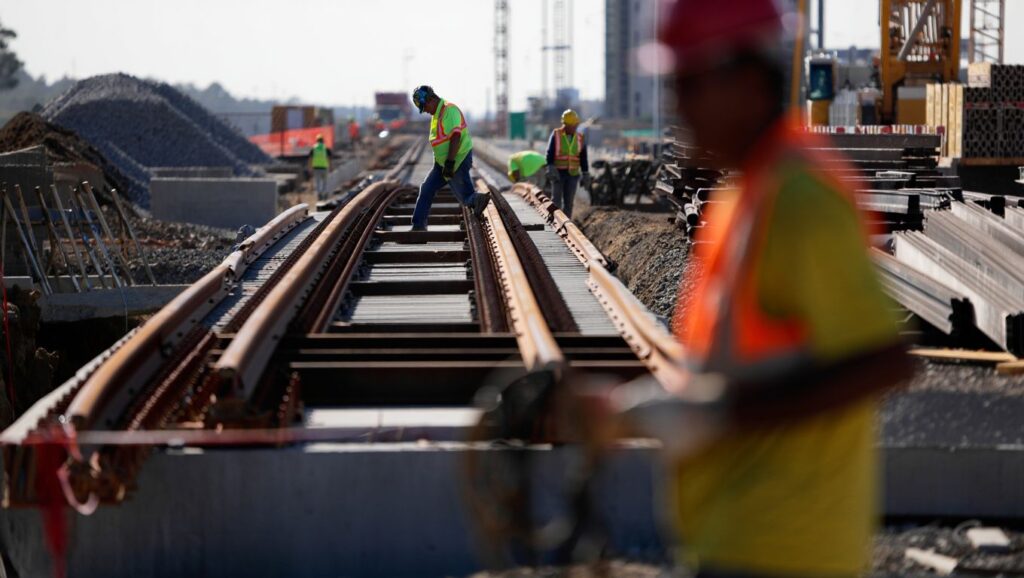
Western Sydney’s new airport link was sold as a clean, fast way to connect a growing region to a once‑in‑a‑generation gateway. Yet the price tag is climbing, even before a single service is in the timetable. What’s driving the blowout isn’t one neat villain but a stack of familiar pressures that tend to collide on mega‑projects—and collide harder when the clock is fixed and the market is hot.
A project born into a superheated market
The rail job entered procurement while Australia’s construction sector was already stretched by major programs across roads, metros and renewables. With skilled labor in short supply, contractors priced scarcity into bids, and subcontractors demanded higher margins to cover churn and risk.
When the market runs hot, tenderers add premiums for volatility in wages, materials, and productivity. That spills into higher contingencies, because builders won’t sign fixed‑price contracts if every unknown lands on their balance sheet. As one industry manager put it, “We’re not just pricing the work, we’re pricing the weather of the market.”
Design keeps moving after the ink is dry
Early cost lines are often drawn before the design is mature, because governments want a headline number to take to voters and Treasuries. As the scheme gets detailed—station boxes, ventilation, power feeds, bus interchanges, and active‑transport links—the scope thickens. Each refinement may be sensible, but collectively they add time and dollars to the program.
Interface points intensify this creep. The St Marys interchange has to mesh with existing lines, roads and utilities; the stabling yard must meet new operations standards; and the airport‑side systems must align with security and aviation protocols. “Scope doesn’t explode,” a planner quipped. “It just grows one interface at a time.”
Where the ground fights back
The cheapest way to build a railway is on paper; the most expensive is under someone’s backyard. Western Sydney is a lattice of utilities—water, power, gas, telecoms—whose records can be patchy or outdated. Relocating them is a slow, negotiation‑heavy process that exposes unknowns and claims.
Geotechnical realities bite hard too: variable soils, water tables, floodplains and acid sulfate risks complicate earthworks, tunnelling and waterproofing. “You don’t know what you bought until you open the ground,” goes the old contractor line—and those discoveries almost always cost.
Procurement choices and the price of risk
How risk is allocated shapes what builders charge. Fixed‑price, design‑and‑construct contracts look tidy on a ministerial slide, but if the documents are immature, bidders embed buffers or walk away. Alliances and target‑cost models invite open‑book collaboration, yet they make contingencies more visible—and therefore more political.
Either way, risk isn’t free. If the client wants price certainty early, they pay a premium. If they want flexibility and speed, they pay in variations later. As one estimator said, “We price uncertainty, or we don’t price at all.”
Inflation and supply chains that don’t cooperate
Global supply chains have been in whiplash, pushing up the cost of steel, copper, concrete and electronics. Metro rail is systems‑heavy: power, signalling, communications, platform screen doors, cybersecurity and control rooms. Delays in any one package ripple through others, requiring resequencing, stand‑down costs, and overtime to claw back time.
Even if headline inflation is easing, long‑lead items booked two years ago arrive at today’s prices, and exchange‑rate swings make imported components unpredictable. Every month of slippage is another month of inflation on the wage bill and the supply stack.
A fixed opening date raises the stakes
The airport’s debut is a deadline with national profile. That kind of certainty is great for the public, less so for schedulers. To stay on track, teams accelerate with night shifts, parallel workfronts, and premium labor—all of which burn cash faster.
Compression also reduces flex to absorb surprises, meaning small design changes trigger larger disruptions. “When the date is immovable, everything else becomes movable—especially the budget,” a delivery lead noted.
Governance: many hands on a single wheel
This line is a partnership spanning federal and state layers, agencies, councils and operators. Shared funding is a strength, but it complicates approvals, reporting and assurance. Each gate adds quality, yet each pause adds overheads and the kind of drag that quietly fattens the bill.
What would actually help stop the slide
There’s no silver bullet, but there are practical moves that reduce the drift:
- Lock scope earlier with funded allowances for defined interfaces, pair open‑book alliance delivery with independent cost assurance, invest in utilities investigation well before main works, stage handovers to de‑risk the airport opening, and publish transparent contingency bands so “overrun” is seen as drawdown of a planned reserve.
Short of rewriting the contract, the most effective change is candor. Clear, frequent updates about what changed, why it changed, and what it costs help keep trust intact—even when the numbers edge north. People will tolerate higher spend when they can see the value: a reliable, frequent service that knits Western Sydney into the region’s jobs, education and opportunity. If the teams hold that line, the eventual ride will feel worth the wait—and the money.