
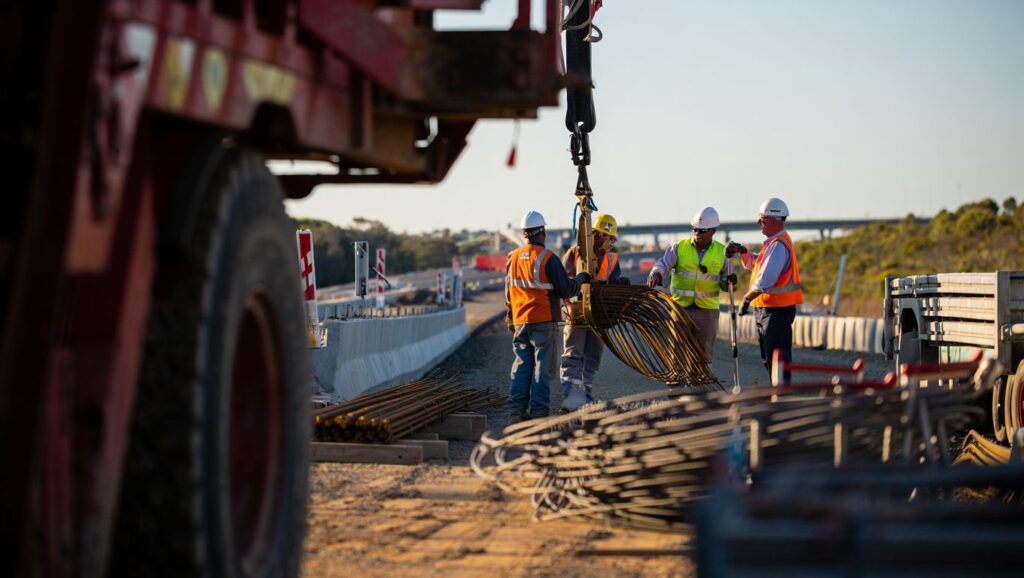
Big projects promise speed, but they often deliver waiting. The highway upgrade skirting Coffs Harbour was sold as a game‑changer for freight, safety, and the town’s livability. Now, with the schedule pushed roughly two years, locals are asking the obvious question: what went wrong? The short answer is a familiar one in infrastructure—multiple small delays that compound, then hard‑to‑shift realities like weather, ground, and market forces.
When rain rewrites the program
Eastern Australia’s recent seasons have been soaked, and heavy rainfall isn’t just inconvenient—it stops earthworks, saturates embankments, and turns safe sites into no‑go zones. “You can’t pour concrete in a creek,” as site crews like to say. Each wet week pushes back cut‑and‑fill, which then delays drainage, pavement, and structures. Even when skies turn blue, engineers need drying time to rebuild strength in the ground, test compaction, and re‑establish traffic safety. Weather allowances are baked into contracts, but prolonged wet cycles can blow past contingencies.
Geology doesn’t read the brochure
The bypass includes significant tunneling and deep cuttings through complex coastal geology. On paper, you model rock classes; on site, you meet actual ground. Harder‑than‑expected strata, seams of fractured rock, and groundwater ingress can slow excavation and trigger design re‑checks. “Ground is the ultimate client,” tunnel veterans like to joke, because it dictates pace, support types, and shift patterns. Extra rock bolting, shotcrete, and monitoring add days and dollars, especially when safety margins must stay conservative.
Utilities: the spaghetti under the street
Before new lanes can fly, the hidden web of power, water, gas, and fiber has to be shifted. Locating legacy assets is often messy—as‑built drawings can be optimistic, and unknown services appear at the worst time. Each relocation needs permits, service‑provider windows, and night or off‑peak work. Miss one window, and the critical path slips. Add design refinements for noise, fauna passages, and local access, and you get the classic “one step sideways, two steps back” rhythm of corridor upgrades.
Markets that won’t sit still
The project was scoped in one economy and built in another, shaped by inflation, supply shocks, and global logistics friction. Steel, concrete, fuel, and specialist equipment all saw price swings and lead‑time blowouts. Meanwhile, skilled labour has been tight across Australian construction, with competing megaprojects pulling from the same talent pool. “You can write an aggressive program,” one planner quips, “but you can’t conjure extra people.” Recruit, train, resequence—each tactic helps, but time still moves.
Approvals, heritage, and community fit
Linear projects touch many places, and each place has constraints. Environmental safeguards, cultural heritage surveys, noise criteria, and property negotiations all add interfaces to manage. None of this is “red tape” to be waved away; it’s how modern projects earn their license to build. Still, extra studies, mitigation tweaks, and access agreements can nudge schedules rightward, even when the changes are sensible and widely supported.
How small slips become big ones
A day lost to rain delays a culvert; the late culvert holds up a pavement; the pavement delay pushes a traffic switch; the missed switch blocks night works elsewhere. That is how weeks grow into months, then tip past a year into “why is this two years late?” “Projects don’t blow up in one moment,” says a seasoned superintendent. “They drift, unless someone grabs the tiller and resets the course.”
Here’s the drift, in plain terms:
- More rain than planned, harder ground than expected, congested utilities, a hot construction market, and added interface requirements all stacked up on the critical path.
What’s being done right now
When timelines slide, competent teams re‑baseline. That means resequencing packages, overlapping design and procurement, and pushing parallel workfronts to regain float. Expect more night shifts, targeted weekend closures, and pre‑fabrication where it genuinely saves time. Some bridges can be decked faster with modular elements; some walls can be pre‑cast off‑site to dodge weather. Communication ramps up too—clearer look‑aheads for motorists, and tighter windows for disruptive works.
Why patience still matters
The benefits haven’t vanished: safer travel, quicker freight movements, quieter main streets, and a stronger regional economy. A bypass finished a bit later is still a bypass that works for the next half‑century. “Build it once, build it right,” the old slogan goes, and on corridors like this, it still applies. The key is honest updates, visible progress on major structures, and fewer surprises in the months ahead.
Big roads are built in layers—of dirt, concrete, and coordination. Two years is a frustrating gap, but not a fatal one, and the mix of weather, ground, utilities, markets, and approvals explains the slide. If crews hold the current course, the region will trade today’s delay for decades of safer, calmer, and more reliable travel.