
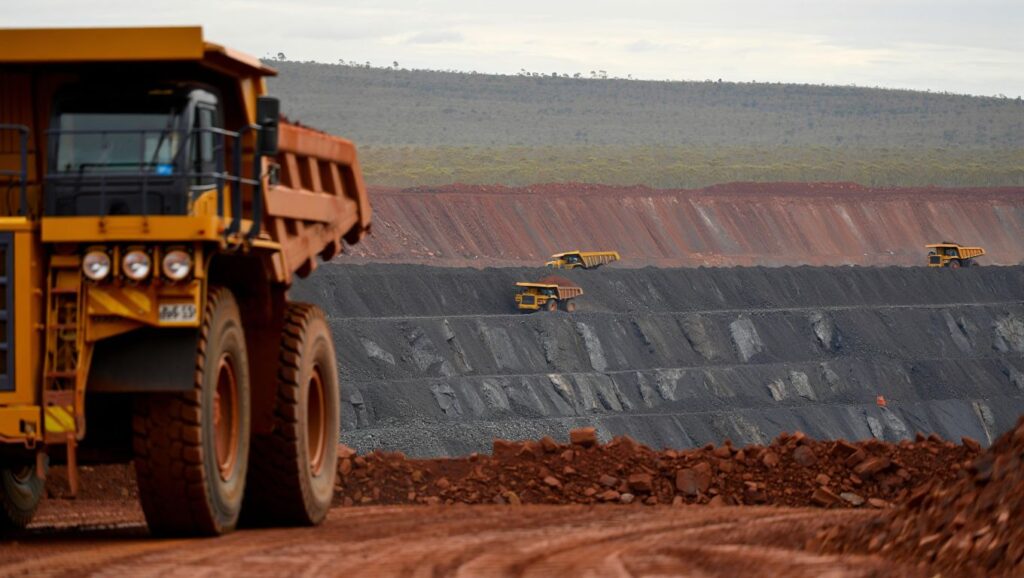
The shift happened quietly, then all at once. As clean‑energy supply chains tightened and geopolitics hardened, Australia moved from dependable ore shipper to the lynchpin of modern materials. Lithium, nickel, cobalt, rare earths, manganese, vanadium—if the energy transition had a shopping list, Australia is the store that’s open, stocked, and well lit.
From ore superpower to battery metals engine
For decades, iron ore defined the export story. Today, it’s the battery alphabet. Western Australia delivers roughly half of global mined lithium, with names like Greenbushes and the Pilbara now as central to EVs as Fremont or Shanghai. Nickel belts from Kambalda to Ravensthorpe still hum, even after bruising price swings. Rare earths from Mt Weld feed separation plants that anchor non‑China supply, while manganese from the Top End keeps alloy markets balanced.
“Security of supply isn’t a slogan,” said one veteran trader recently, “it’s the new discount rate.” Buyers aren’t just looking for metal; they seek jurisdictional stability, transparent rules, and ESG that stands up in daylight.
Not just dig and ship: building midstream muscle
The quiet revolution is processing. Lithium hydroxide refineries in Kwinana and Kemerton, cracking and leaching for rare earths in Kalgoorlie, and nickel sulphate lines tied to integrated supply agreements—all of it shifts value capture onshore. Canberra has backed it with targeted financing, permitting reforms, and alliances that turn offtakes into industrial policy.
You can see the strategy in three moves: mine more, process more, and link to trusted markets. That last piece—trusted markets—now includes structured deals with Japan, the United States, Korea, and the European Union, designed to derisk demand while nudging deeper refining at home.
Why buyers keep coming back
The pitch is simple, and it’s working. When procurement teams map risk, Australia lights up for all the right reasons:
- Rule‑of‑law stability, scalable resources, credible ESG, and logistics that run on time.
A Perth fund manager put it crisply: “In a world of price volatility, certainty is a premium product.”
The volatility test: still standing after the shakeout
The past two years have been a reality check. Lithium prices spiked, then slid; Indonesian nickel surged, crushing margins from Sudbury to Kambalda; rare earth prices softened as inventories met reality. Projects were paused, expansions rephased, and cost curves got a haircut.
Yet the backbone held. Tier‑one lithium assets continued to ship, with producers flexing grades and throughput. Nickel divisions retooled toward higher‑purity sulphate and battery‑class products. Rare earths producers doubled down on separation know‑how that remains scarce outside China. When the price tide went out, the mines with scale, grade, and power‑water advantage were still in the pool.
Processing power meets partnerships
Midstream leverage is about chemistry as much as policy. Converters want consistent feed, traceability, and specs that slot into cathode recipes with minimal rework. Australian producers, often with global partners, have built the lab, pilot, and plant discipline to deliver that repeatability. It’s unglamorous work—impurities, reagents, residence times—but it’s what turns tonnes into margins.
Government has learned, too. Instead of chasing every shiny commodity, programs now tilt toward strategic bottlenecks: hydroxide vs. carbonate, heavy vs. light rare earths, and precursors that displace single‑point exposure. “Go where the choke points are,” as one policy adviser likes to say.
ESG as an export in its own right
In critical minerals, ESG isn’t an appendix; it’s the passport. Expectations around water use, tailings integrity, biodiversity, and Indigenous partnership can decide who wins offtakes and who gets funding. Australia’s frameworks aren’t perfect, but they are auditable, improving, and backed by strong civil society. That credibility—plus renewable power build‑outs in mining regions—helps cut embedded emissions and lift long‑run competitiveness.
Geopolitics and the new non‑alignment
The world wants alternatives to single‑country dependence, without splitting supply chains into camps. Australia fits the middle ground: an ally to the West, a trader to Asia, and a system known for predictable contracts. That’s why automakers, energy firms, and defense suppliers keep signing multi‑year offtakes, even through the cycle’s duller patches. It’s less headline, more handoff, but it’s how real de‑risking gets done.
Beyond volumes: shaping the next step downstream
The next chapter is about moving closer to the battery and the magnet. More precursor cathode capacity, more rare earth separation and metals, and ultimately more alloys and components where it makes sense to co‑locate with clean power. The bar will be high: process talent, decarbonized energy, and patient capital that understands multi‑cycle chemistry businesses.
A quiet confidence is back. Prices will bounce; some projects will fade; others will scale into global platforms. But the arc points to a simple truth: when the world needs critical minerals it can trust, it calls Australia first—and increasingly, it stays for the processing.