
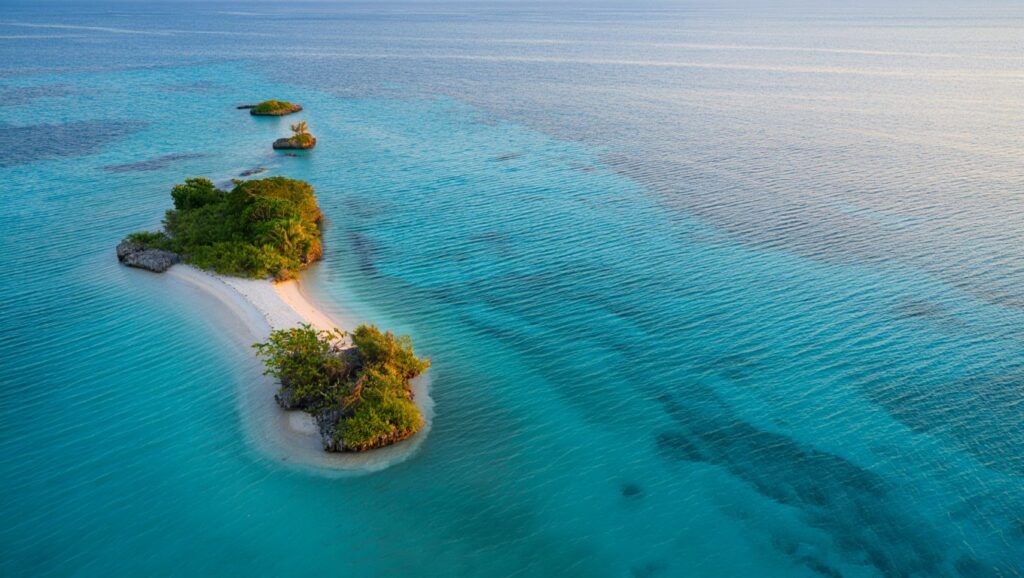
Trade the queues for quiet this winter and aim your compass toward a lesser-known necklace of islands off Queensland’s Capricorn Coast. Here, the water is the same turquoise, the sand just as powdery, and the vibe blissfully more low‑key. Think reef-fringed coves, wind-sheltered bays, and long walks where your only company is a sea‑eagle tracing the shoreline.
Meet the Keppel Islands
Just 30 minutes by ferry from Rosslyn Bay near Yeppoon, the Keppel Islands scatter across clear, shallow seas at the southern edge of the Great Barrier Reef. Many sit inside protected marine parks, where coral gardens press right up to beach edges and paddling a few strokes reveals flashing schools of fusiliers.
Winter is the region’s sweet‑spot. Days are mild, humidity is low, visibility often crystal, and the risk of irukandji and box jellyfish is at its lowest. You might even spot humpbacks on migration, their blows rising beyond a glassy horizon. “It feels like the reef without the rush,” says a local skipper, “and the water stays astonishingly blue.”
Water you can wade into
Slip into Coral Cove on Great Keppel and you’re among branching corals within minutes. Shelving Beach and Monkey Beach offer easy-entry snorkels with parades of parrotfish, damsels, and curious butterflyfish. On calmer days, kayaks glide to pocket beaches where the sand squeaks and green turtles surface like metronomes.
Winter trade winds can be a factor, but the islands create natural lee sides. Ask skippers which coves are sheltered; you’ll often find ripples on one shore and mirror-flat water on the other. “Some mornings the bay looks poured from glass,” says a reef guide. “You step off the sand and meet a coral city.”
Trails, ridgelines, and big skies
Away from the water, sandy footpaths stitch the bush across Great Keppel, rising to breezy ridges and lookouts. Expect sun-bleached grass, pockets of eucalypt shade, and views that layer island after island across bright shallows. The walking is unfussy but rewarding, perfect between long swims.
Most of the surrounding isles are rugged and quiet, with National Park pockets that feel entirely untouched. Pack water, a hat, and reef-safe sunscreen; in winter the light is gentle but still potent. Keep eyes out for oystercatchers, brahminy kites, and shy goannas slipping through heat-dappled scrub.
Staying and slipping into island time
On Great Keppel you’ll find simple beach stays, holiday units, and laid-back cafés where sandy feet are standard dress. Private hideaways scatter farther afield, including intimate eco-stays that book out well in advance. Nights are quiet, stars are loud, and dawn slides in with gull calls and soft swell.
Day-trippers come for the snorkel, but lingering rewards the patient. Afternoon light turns the water electric cyan, and the last boats leave the bays to you and the herons. If you want true castaway energy, arrange a drop-off to a smaller cay and picnic with nothing but a tide timetable.
Getting there, simply
Regular ferries run from Rosslyn Bay, with bookings easy online and parking right at the marina. Transfers are brisk and breezy, and staff know which beaches are best for current conditions. Pack light; you’ll live in swimmers, a long-sleeve shirt, and a hat that won’t surrender to the wind.
For those chasing a tailor-made day, local operators offer snorkel tours, glass-bottom runs, and water-taxi drop-offs to secluded inlets. Bring a dry bag, a refillable bottle, and a sense of shifting plans — island weather whispers, then changes its mind.
A quick-start plan
- Day 1: Ferry over, check in, then snorkel Coral Cove before a sunset beach walk.
- Day 2: Morning kayak to a sheltered bay, picnic, afternoon trail to a ridge view.
- Day 3: Slow coffee, turtle spotting from the shallows, ferry back as the water glows opal.
Respect the place and its pace
These waters are part of the Great Barrier Reef Marine Park, home to nesting turtles, grazing dugongs, and coral struggling yet resilient. Float, don’t stand, on coral; keep fins light; and give wildlife respectful space. “If a turtle chooses you, it will come closer,” a guide notes. “If you chase it, the encounter is over.”
The islands lie within the Country of the Darumbal people. Learn the name of the land, tread gently on middens and dunes, and leave shells, corals, and stories where they belong. A little care keeps this archipelago’s quiet exactly that — quiet.
When to go and what to pack
June to August brings mild days and clear water; nights can dip cool, so add a light jacket. A spring suit or thin wetsuit extends your snorkel time when breezes freshen the surface. Reef-safe sunscreen is essential, but so is shade: a rashie beats a heavy sunscreen hand.
Slip in a compact first-aid kit, a dry bag, and sturdy sandals for rocky entries. Most cafés take cards, but a little cash helps on small operators. Phone coverage is patchy; the stars, thankfully, are not.
The charm here is simple: more space, more sky, more blue. Come in winter, breathe easier, and watch the horizon turn from pale mint to lit‑from‑within turquoise as the sun climbs and the crowds fail to arrive.