
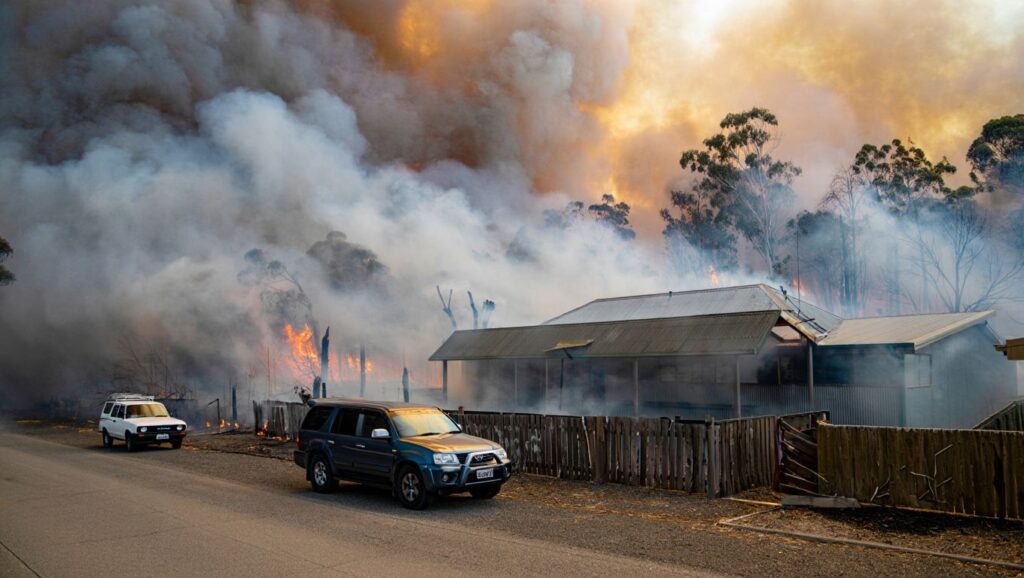
A warm, dusty wind along the Mallee isn’t unusual, but the timing is. An early fire season is pressing into communities that are still patching roofs, reseeding paddocks, and balancing the books after last summer’s blows. People are tired, volunteers are stretched, and the forecasts are unyielding. As one CFA captain put it, “We’ve barely unpacked from the last one, and we’re already packing again.”
Why the calendar shifted
Fuels stayed dry through winter, and winds have run hot and restless. Fewer soaking rains mean grass and scrub are ready to carry flame earlier. “The window for safe hazard reduction shrank, while the ignition window grew,” said a fire behaviour researcher at a Victorian university.
Now, smaller blazes can escalate quickly, especially on north-westerly days when temperatures jump and humidity collapses. “What used to be a shoulder month is now peak risk in some districts,” noted a state planner.
Communities still rebuilding
In East Gippsland, sheds are still going up and fences remain patched with star pickets and wire. Insurance payouts take time, and tradies are juggling long waitlists. A pub owner in the high country said, “We’re trading, but the margin is paper-thin; one smokey weekend wipes a month’s progress.”
Volunteer fatigue is real, with CFA crews balancing jobs, families, and night call-outs. “You can’t pour from an empty cup, but the cup keeps getting emptier,” a brigade member said with a rough laugh. Trauma lingers quietly, triggered by sirens, ash, and the glow of distant ridgelines.
Health and smoke
An early start often means more days of smoke in towns where the last season never truly cleared. Fine particle pollution sneaks into homes, raising asthma attacks and complicating heart conditions. Clinics brace for spikes in demand, while pharmacies keep puffers and masks front of shelf.
Schools face indoor days, with cancelled sport and restless kids. A rural nurse told me, “The smell of smoke is half chemistry, half memory, and both make breathing harder.”
Economic aftershocks
Tourism operators ride a knife-edge, reliant on clear skies and open roads. Early alerts prompt cautious travellers to cancel, even when fires are distant or well contained. “People read the headline and hit refund,” said a caravan park manager near the coast.
On farms, labour schedules shift to night, machinery is staged for quick moves, and livestock are rotated to safer paddocks. Power outages and telco blackspots can snarl logistics, stalling milk pickups and feed deliveries. Each day of disruption chips at already thin margins.
Preparedness and inequities
Most communities know the drill—stay informed, prep go-bags, clear gutters, and map routes. But not everyone can act equally. Renters face limits on property changes, and some households lack cash for pumps, generators, or fuel storage. “Risk isn’t shared fairly when safety costs money,” a community advocate observed.
First Nations fire practitioners continue cultural burning where permitted, building mosaic landscapes that slow flame and nurture country. Partnerships are growing, but approvals remain slow and resources thin.
What helps right now
A few focused measures can blunt early-season shocks and cushion recoveries still underway:
- Reinforce local brigades with surge staffing and mental health check-ins
- Fund quick micro-grants for small businesses hit by cancellations or closures
- Expand community hubs with clean air rooms and backup power
- Prioritise clear, localised alerts through VicEmergency and radio
- Fast-track fencing materials and on-farm water infrastructure
Stories that matter, data that helps
This season will test trust in warnings and clarity in maps. People need hyperlocal detail—what’s burning, which roads are open, and when to leave. “Too much noise becomes a danger itself,” said a retired controller who urges simple, plain language.
Meanwhile, new Fire Danger Ratings are easier to read, but they must be amplified where signal is weak. Community leaders will carry much of the message, translating risk into action street by street.
Holding the line together
An early spark doesn’t have to become a spiral if support lands fast and fairly distributed. Recovery is a marathon, not a relay, and handing the baton too early drops the whole race. As one farmer told me, staring at a grey horizon, “We’ll keep showing up—but we need the state to keep showing up, too.”
In the weeks ahead, the ask is simple and hard: get the basics right, fund what works, and listen to the people most affected. Communities have the muscle, but they shouldn’t have to carry all the weight again this year.