
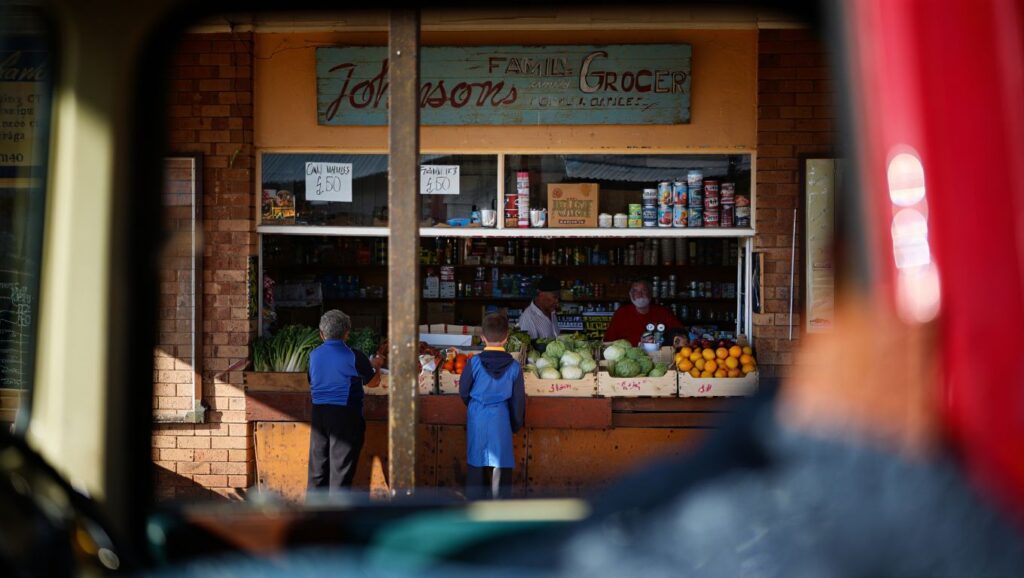
On a sunlit corner of a regional NSW high street, a family-run grocer is quietly rewriting the rules. The shopfront is modest, the logo is hand-painted, and the aisles are just wide enough for a trolley and a quick hello. Yet regulars insist the value is sharper, the produce fresher, and the service warmer than anything they’ve found in a big-box chain. Step inside and you feel a pulse, not a pipeline—a sense that food can be both affordable and deeply local.
How a small shop beats a giant
Most people assume scale guarantees savings, but here scale creates drag. The owners buy straight from nearby growers, skipping long middlemen chains and cutting freight that flattens freshness and inflates price. With fewer layers, they change prices daily based on what’s abundant and what’s scarce, passing those micro-wins to shoppers in real time.
“We don’t need a committee to move a price tag,” laughs co-owner Amelia, who updates chalkboard specials before dawn with a cup of strong coffee. “If the farm gate is flush, so are our baskets.”
Freshness you can taste
The berries arrive cool, not cold-stored for weeks. The greens feel alive, not vacuum-sealed into submission. Even pantry staples turn quickly, so nothing sits languishing at the back of a shelf. Their trick is simple: buy little, buy often, and keep the turnover brisk.
Customers notice the difference. “The coriander is still dewy when I get it home,” says Kishan, a chef who swings by after the markets. “I pay less for flavour, not less for quality.”
Prices that make sense
No loyalty card, no labyrinth of promotions, no fine print to decode. Prices are clean, chalked big and bold, and surprisingly low where it counts: eggs, greens, milk, bread, seasonal fruit, and honest basics. They test prices against the discounters each week, but not to chase every last cent—to win on the items families buy most, not the ones that look cheap but sit in your cupboard forever.
Where the little shop wins, regularly:
- Fresh fruit and veg in peak season
- Local dairy and free-range eggs
- Sourdough and same-day bakes
- Bulk wholefoods by the scoop
- Refill cleaning and body essentials
Stock that fits the week
Because they’re nimble, the range flexes with what the region is growing and what customers are craving. One week it’s citrus and herbs; the next it’s heirloom tomatoes and pasture-raised chook. Bulk dispensers let you buy exactly what you need—two tablespoons of spice, or a jar of rice—beating “bargain” packs that force you to buy more than you’ll use.
“We design the range around meals, not margins,” says Amelia. “If it helps dinner land on the table tonight, it earns its spot.”
Service that feels human
There’s a name behind the counter, and it’s usually the same three faces. They’ll rip a bunch of bananas in half, cut a wheel of cheese, or swap a bruised avocado without a raised eyebrow. The checkout chat isn’t small talk—it’s recipe tips, storage hacks, and which farm had a good pick that morning.
“Every decision we make shows up in the basket," says co-owner Marcus. “That’s the joy and the pressure of being this close to our customers.”
Waste less, save more
The store’s zero-waste habits quietly lower its costs. Imperfect produce gets a second life in soup packs and stews. Near-date milk becomes yoghurt; tired herbs turn into pesto. Scraps head to nearby hens or compost, trimming the rubbish bill and squeezing more value from every crate.
Those savings don’t hide in the till. They show up as better prices, and they keep staff hours steady even when the weather turns.
Community as a business model
Local makers get shelf space they could never afford in a metro lease. Fundraisers run at the register, and the noticeboard hums with jobs, gigs, and Saturday sport. The store becomes a loop, where money flows out to growers and returns as loyalty.
“I feel like my dollar has a postcode,” says Rochelle, a mum of two. “It buys my food and my neighbour’s future at the same time.”
What big chains can’t copy
Scale delivers consistency, but it struggles with nuance. Spreadsheets can’t smell a storm rolling over the orchards, or pivot when a farmer calls with a surprise haul. A small crew can change a plan in minutes, not quarters, and the savings land where they matter most: on the plate, not in the paperwork.
That’s not a war cry; it’s a different game. Let the giants own the epic shop; let the little guys own the everyday.
What it means for your wallet
If you live nearby, try a week of switching your fresh and staple shop to a family grocer. Watch the bin fill slower, the fruit bowl empty happier, and the receipt stay sane. You may still grab a bulk toilet-roll run or a niche import from a chain, but your main meals could cost less and taste more.
The lesson is simple and surprisingly hopeful: agility beats bigness when food stays close to its source, and when a price is a promise, not a maze. In a small shop with a big heartbeat, value is measured in flavour, not just in fifty cents.