
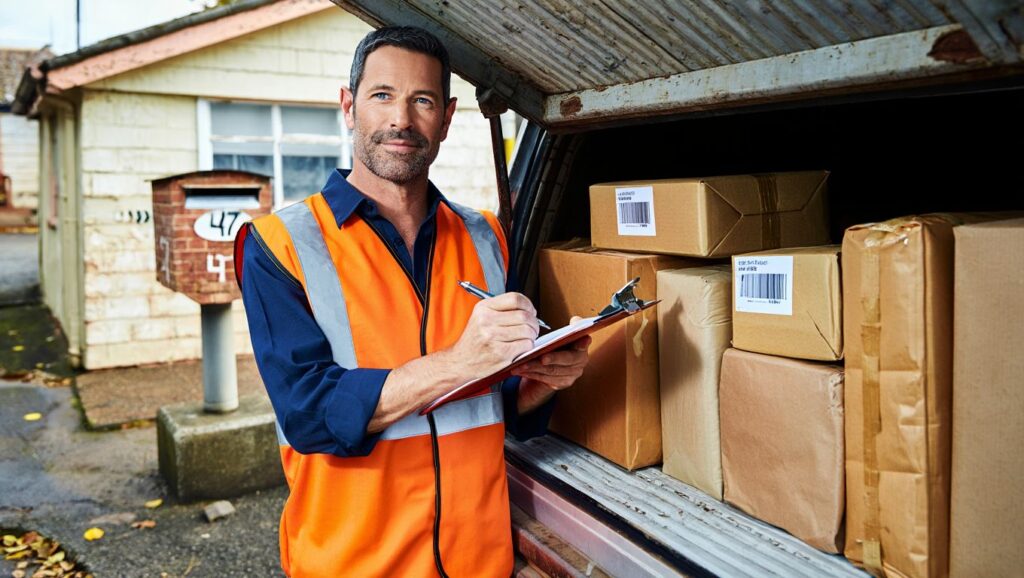
Rural customers are waking up to a new delivery rhythm, one built around parcels rather than letters and routes that look less like door-to-door and more like hub-to-home. For some, it feels practical, for others, it feels distant. The change is arriving not with a bang but with pilots, notices on post office windows, and app alerts that nudge people toward collection points.
In small towns where the postie is a familiar face, fewer knock-at-the-gate moments now give way to lockers, counters, and consolidated runs. “It’s added an hour to my day,” one grazier said, pointing to a weekly drive to the nearest agency. Another resident shrugged: “At least the parcels are here the same day, and the locker is open late.”
What’s changing in regional deliveries
Australia Post is testing and scaling a hybrid approach that favors central pick-up spots and streamlined routes in towns where distances are long and stops are far between. The intent is to keep parcels moving quickly while stabilizing costs across a sprawling network.
- Expect more parcels directed to community hubs, parcel lockers, or partner agencies; fewer ad-hoc home drop-offs, especially beyond town limits.
Why the shift is happening
The economics of mail have tilted, with letters declining sharply as e-commerce volumes continue to rise. Moving one van across hundreds of kilometres to hand over a single box is tough to make pay. Consolidation trims fuel costs, evens workload for contractors, and can speed turnaround times when runs are planned town-first, road-second.
At the same time, customer expectations have split: urban buyers crave speed at the door, while regional buyers often want reliability, late hours, and a way to avoid missed-delivery tag games. A locker outside the IGA or a pharmacy counter can do that job, provided it’s truly accessible.
Mixed reactions on the ground
Not everyone reads the map the same way, and the divergence is sharp. “Efficiency can’t come at the expense of access,” said a postal workers’ representative in a phone interview. “If a delivery is 30 minutes away, it’s not a delivery for a lot of people.”
Local shopkeepers see a different calculus. “The extra foot traffic helps our business,” said a store manager hosting new parcel lockers. “But we need training and clear processes, especially for ID checks at busy times.” A council leader worried about equity added, “Elderly residents without cars can’t just switch to click-and-collect four towns over.”
Some contractors, meanwhile, welcome clarity. “A tighter route means fewer empty miles and fewer re-delivery loops,” said one rural driver. “I can plan my day and keep the cold-chain boxes moving in summer.”
How the company is framing it
Australia Post’s public line is measured but firm. In a brief statement, a spokesperson said the changes aim to “improve reliability, expand after-hours access, and keep services sustainable in regional communities.” They stressed ongoing consultation and promised that vulnerable customers would be supported with exemptions and local arrangements.
“We’re responding to how people actually shop,” the spokesperson added. “More parcels, fewer letters, and the need for convenient, trackable options that work beyond 9-to-5.”
What it means for customers right now
If you live on a long dirt road, expect more “ready for collection” texts and fewer “on your doorstep” moments. That doesn’t have to be a downgrade if the pickup point is central, safe, and open when you can actually get there. Take a minute to set app notifications, verify your ID preferences, and choose a locker that fits your routine.
Small businesses should check cut-off times, because consolidated runs can shift the best window for lodgement. If you ship perishables or fragile goods, ask about packing guidelines and whether your local hub offers priority handling. For bulky freight, clarify rural surcharges before customers hit the checkout.
The trade-offs in plain terms
Consolidation can reduce missed deliveries, extend hours, and ease the “sorry we missed you” cycle that wastes time for everyone. But it risks pushing travel time onto customers who are already far from the grid. The winners are those near hubs or with flexible schedules; the losers may be those with limited mobility or shared family cars.
That’s why the details matter: true accessibility means late hours, clear signage, safe lighting, multilingual instructions, and sensible grace periods before parcels are sent back. Without those basics, the model just offloads last-mile complexity from the network to the neighbour.
What to watch over the next year
Look for more parcel lockers near supermarkets, libraries, and sports grounds, especially in towns with steady volume but no full-service branch. Expect tweaks to notification windows and ID rules as feedback rolls in. And listen for policy noise: state and federal voices may press for minimum access standards and rural exemptions.
In the end, the test is simple, even if the logistics are not. Can a farmer 40 kilometres out pick up a box without losing half a day, and can a nurse on late shift collect a delivery after dark, safely and swiftly? If the answer trends toward yes, the model has legs; if not, the backlash will get louder.