
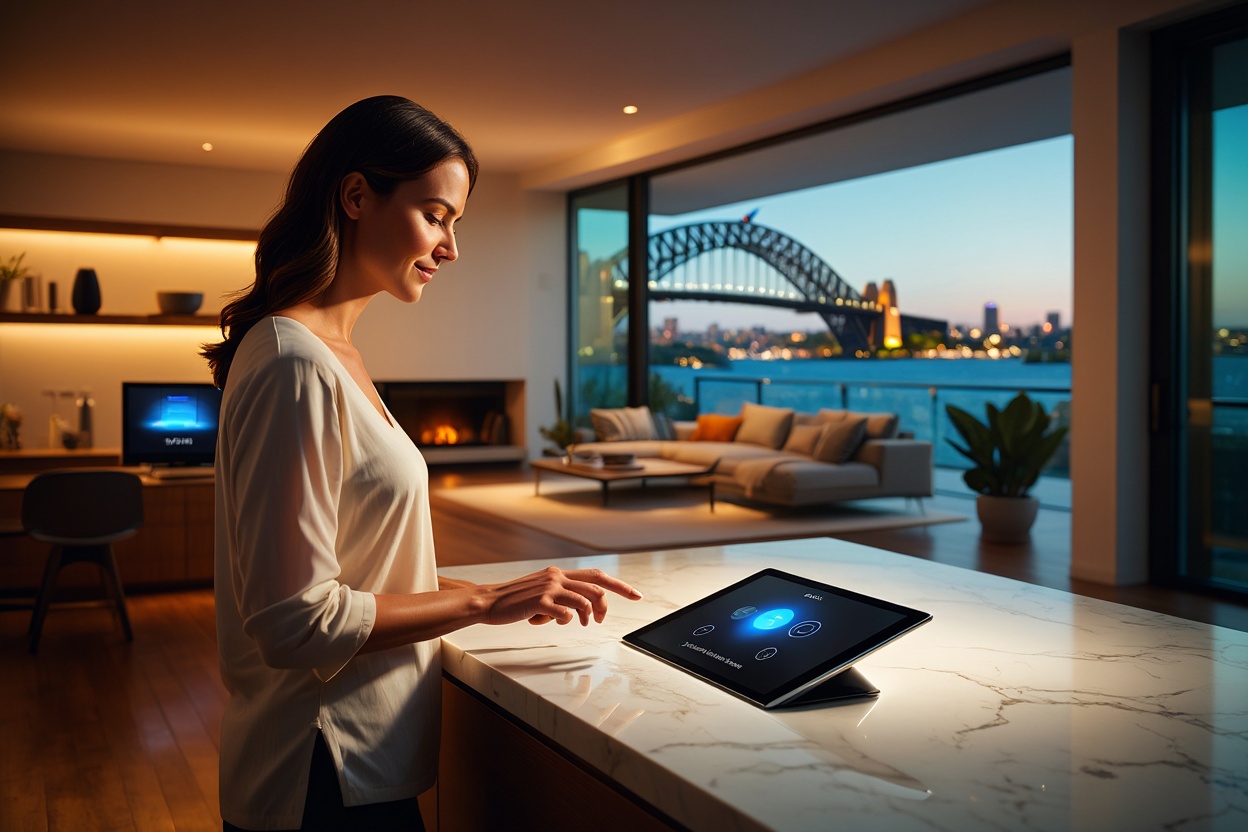
In many homes across Sydney, a subtle shift is beginning to take place. It is not something immediately visible from the outside, and it rarely involves major renovations or expensive installations. Yet inside apartments and houses, more residents are quietly adopting a new type of technology that is changing how they manage everyday life.
At first, the change often starts with a single device. Then another is added, and gradually a new routine begins to form. What was once considered optional or even unnecessary is becoming part of daily habits for a growing number of households.
The trend is the rise of connected smart home ecosystems.
From single devices to connected systems
A few years ago, most people who experimented with smart home technology started with one simple product, such as a smart speaker or a connected light bulb. These devices worked independently and were often used for convenience rather than necessity.
Now, the approach is changing.
Instead of isolated gadgets, Sydney residents are increasingly linking multiple devices together. Lights, thermostats, security cameras, door locks and even kitchen appliances can now communicate within a single system.
This allows users to control different aspects of their home through one app or a voice command. Turning off all the lights, adjusting the temperature or checking who is at the door can be done within seconds.
What makes this shift important is not the devices themselves, but how they are being used together.
Why more households are adopting it
Several factors are driving the growing interest in connected home technology. One of the most important is convenience. Automating small daily tasks can save time and reduce effort, especially for people with busy schedules.
Energy management is another reason. Smart systems can optimise heating, cooling and lighting based on usage patterns, which can help reduce electricity consumption.
Security also plays a role. Connected cameras, motion sensors and smart locks allow homeowners to monitor their property remotely, providing reassurance when they are away.
For many users, the combination of these benefits makes the technology feel less like a luxury and more like a practical upgrade.
A trend growing without much attention
Unlike some technology trends that spread through heavy advertising or viral campaigns, this one is developing more quietly. Many people discover smart home systems through friends, family or simple curiosity rather than large marketing efforts.
As prices for devices continue to decrease, the barrier to entry becomes lower. What once required a significant investment can now be tested with a relatively small purchase.
From there, adoption often grows naturally. Once users experience the convenience of one connected device, they are more likely to add others over time.
A different way of living at home
As more devices become interconnected, the way people interact with their homes begins to change. Instead of manually controlling each element, residents can create routines that automate everyday actions.
Lights can turn on automatically in the evening, heating systems can adjust based on occupancy, and appliances can operate at optimal times.
These small adjustments may seem minor individually, but together they create a different living experience.
For many Sydney residents, the transition is gradual but noticeable.
What begins as a simple experiment with one device often evolves into a fully connected environment where technology quietly supports daily life in the background.