
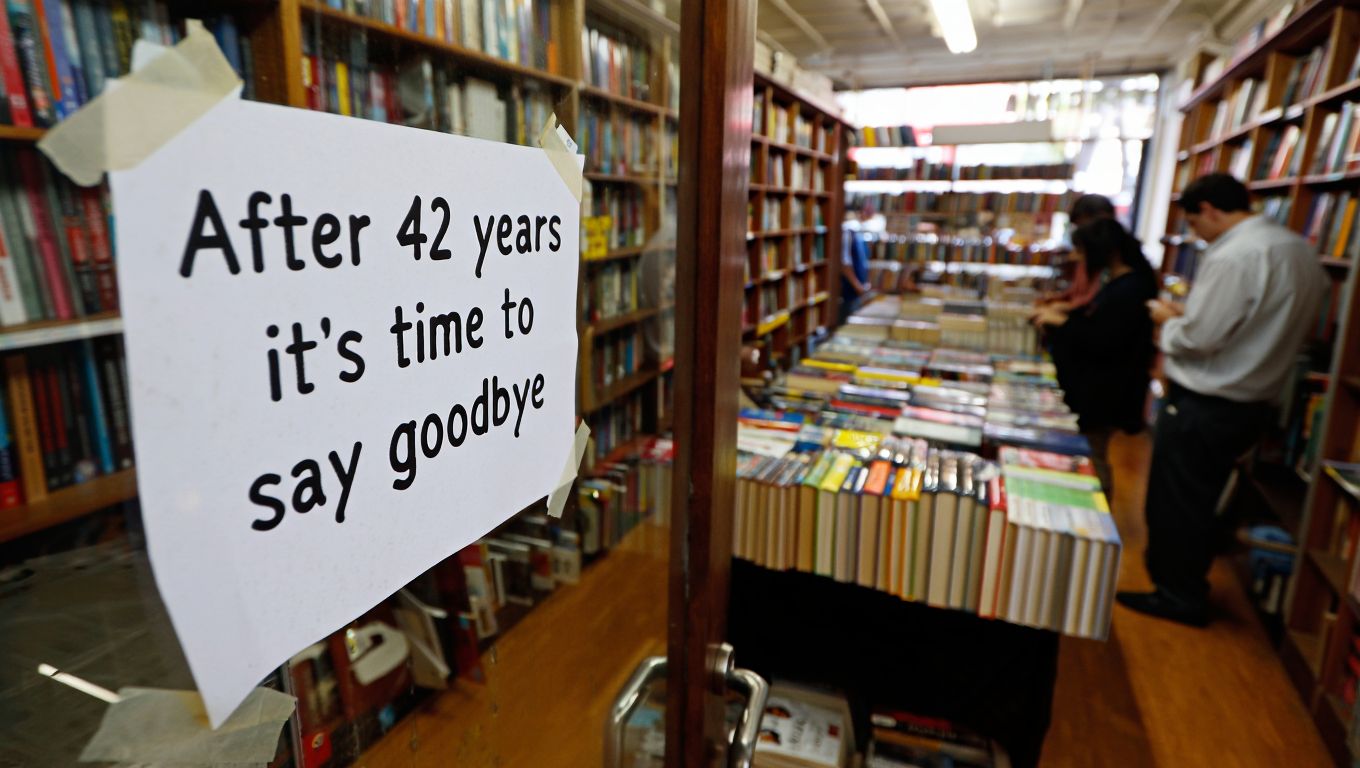
The news spread with a hush, then a rush: a beloved corner of Melbourne’s literary life is preparing to lock its doors for the last time. For four decades and a bit, a small shop with big heart turned passing feet into loyal readers, transformed rainy afternoons into adventures, and stitched strangers into a community that felt like home.
On a crisp weekday morning, regulars gathered by the front window, lingering over dog‑eared maps and a last‑minute stack of paperbacks. Someone left a jar of garden flowers by the counter; someone else pressed a thank‑you note into the owner’s hand. “You taught my son to read,” the note said. “You taught me to slow down.”
A final chapter, written in the margins
The owners announced the decision with a mixture of sadness and wry grace, as you might expect from people who’ve spent their lives with stories. “We’ve been turning the page for 42 years,” co‑owner Elena Tran said, “and now we’re at the end of the book. It’s not a tragedy; it’s a finale.”
Old posters still fade on the sun‑washed wall, and a bell still tings over the door. But the calendar toward the till is circled in red: one last day, one last toast, one final round of “What should I read next?”
Why now, after all this time?
Ask, and you’ll hear a chorus of practical and poetic reasons. Rents ticked up like anxious metronomes. Online giants squeezed margins until the spine creaked. The pandemic taught people to scroll, then made it hard to break the habit. “We can’t out‑algorithm the internet,” Elena said, “but we can leave with our dignity.”
There’s also the question of life itself. Long days have a way of becoming long years, and the body—like a well‑thumbed novel—shows its creases. “I want to see the beach on a Wednesday,” joked co‑owner Marcel Ko, “and learn to bake bread that doesn’t break a tooth.”
A living room for the neighborhood
For locals, the shop has been less a business than a commons. Children hauled stools to reach the picture‑book shelves. Teenagers built identities in the poetry aisle. Grandparents traded recipes in the cookbook nook, then sat near the back with a dog and a flat white.
“It wasn’t just the stock,” said regular Priya S., cradling a first edition with the reverence of a secret. “It was how they remembered your name, your kid’s birthday, and the essay you were too scared to finish.”
The week of goodbyes
The final days will be stitched together with small, generous gestures—more salon than sell‑off, more gratitude than grief.
- A twilight reading of staff favorites, a table of “books we’ve loved too long,” and a notebook near the door for customers to write their memories.
“Bring your best story,” Marcel said, “or borrow one from the shelves.”
What remains when a shop disappears
The quiet truth is that a good bookshop doesn’t only move inventory—it moves people. It teaches taste without snobbery, invites curiosity without tests, and makes the ordinary day feel enchanted at the low price of a paperback and ten minutes of peace.
“When I was new to Melbourne, I didn’t know a soul,” said customer James L., eyes a little brighter than usual. “This was where I learned which tram to catch, which poets to trust, and where to stand when the city felt too loud.”
Passing the torch, not just the keys
Though the shopfront will fall silent, the owners are quietly seeding what comes next. Unsold titles from local authors will be donated to reading groups and school libraries. The little monthly salon will migrate to a nearby café, swapping stacks of hardbacks for mismatched ceramic mugs.
“We always believed in the ecosystem of reading,” Elena said. “If part of it goes dark, another part can glow a little brighter.”
On the art of leaving well
Every farewell teaches a vocabulary of care: how to look someone in the eye, how to mean it when you say “see you around,” how to fold the last paper bag as if it were origami for a gentle future. In the end, the ledger that matters isn’t sales but sentences, not units moved but lives touched.
“Keep asking for recommendations,” Marcel said, laughing softly. “Even if there’s no one behind our counter, there’s always a person behind a book.”
The lights will click off soon, but not before a few final rituals: one last alphabetizing of the unruly Zs, a wipe of the children’s table, a goodbye to the ladder that reached the very top shelf. Outside, the street keeps being Melbourne—trams humming, magpies warbling, clouds playing dress‑up with the sun.
If you’re passing, step in while you can. Take a book that smells of paper and rain, and carry it into your life like a small, stubborn ember against the winter wind. And when someone asks where you found it, say the name of a shop that is gone, yet still very much here—because that’s what the best bookshops do: they linger, they echo, they stay.