
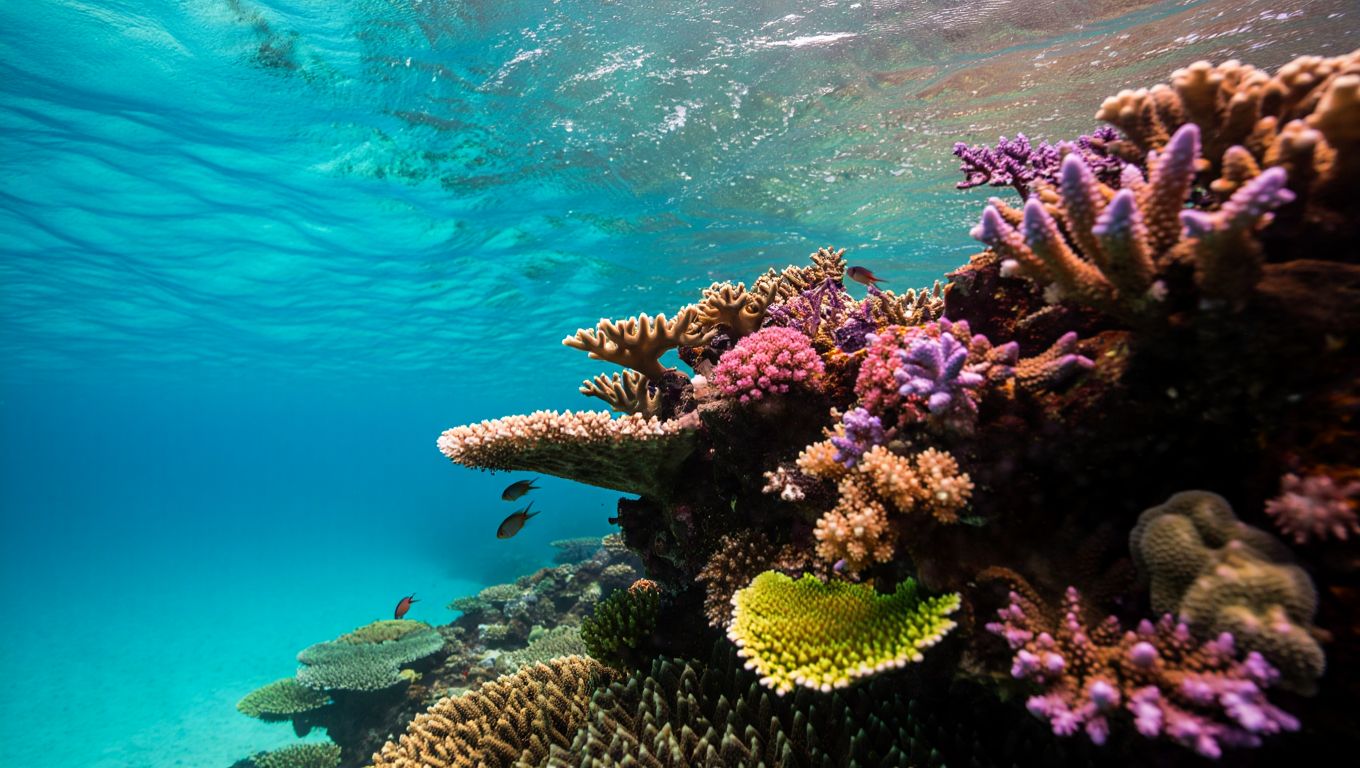
After years of repeated bleaching, the world’s largest coral system is finally showing broad signs of life. Recent surveys indicate that swaths of reef are thickening, with new corals taking hold where skeletons once stood bare. Many scientists call it “a reprieve, not a rescue,” yet the mood across the research and tourism communities is notably more hopeful. The reef’s resilience, long doubted, looks tangible again.
What’s driving the rebound?
A mix of luck and deliberate action sits behind the upswing. Periods of slightly cooler seas, along with patchier heat stress than in prior years, have given surviving corals room to regrow. Where heat relented, fast-growing species such as branching and tabulate corals have rapidly colonized open space, knitting shallow gardens back into place.
Coastal initiatives have trimmed sediment and nutrient runoff, reducing the murk that smothers coral polyps. Crown-of-thorns starfish control has eased a long-running pressure, allowing vulnerable colonies to persist. “When the heat steps back, reefs can step forward,” say multiple monitoring teams who have logged stronger recruitment and healthier cover.
Just as vital, a relative lull in severe cyclones spared many patches, preventing the kind of physical destruction that can erase years of biological gains in a single night. Natural variability still rules the tropics, but this season the dice rolled a little more in the reef’s favor.
What the recovery looks like
In several sectors, hard coral cover has climbed from post-bleaching lows, forming vibrant mosaics across bommies and flats. Divers report larger clusters of juvenile colonies—tiny, bright rosettes that signal successful spawning events—dotting the rubble and creeping over old frameworks. “Recovery is patchy, but it’s real,” is a common refrain among crews who revisit the same transects year after year.
It’s not uniform, and it’s not all the same species. Fast-builders often lead the charge, raising overall cover quickly but leaving the ecosystem still imbalanced. Slower, massive corals that confer storm resilience are returning more gradually, reminding observers that genuine ecological depth takes time.
Tour operators, long battered by bad news, are cautiously buoyant. Snorkelers are seeing more living thickets, more color, and more fish swirling around new architecture. “You can feel the energy back in the water,” notes one guide, capturing the mood of many who make their living from these seascapes.
Caveats, risks, and reality checks
The reef’s rebound remains fragile. Marine heatwaves are becoming more frequent and intense as the climate warms, pushing corals to their thermal limits. A single severe summer can bleach wide tracts, undoing years of natural recovery. “It’s a reprieve, not a rescue,” echoes through field reports and policy briefings alike.
Water quality is still a pressure, especially after heavy rains that sluice nutrients and sediments from the mainland. Crown-of-thorns outbreaks can bloom with little warning, chewing through acres of delicate growth. And while cyclone lulls have helped, the next strong season could rearrange the ledger overnight.
In other words, the reef is healing, but the patient remains vulnerable. Long-term prospects rise or fall with global emissions and the resulting ocean temperatures.
Why this matters
A healthier reef supports more biodiversity, feeding intricate food webs from invertebrates to apex predators. It sustains regional livelihoods, drawing millions of visitors and supporting thousands of jobs in tourism and research. For many Traditional Owners, these waters are living culture, entwined with knowledge, ceremony, and sea country stewardship that stretches back millennia.
Stronger coral frameworks also buffer coastlines, blunting waves and reducing storm damage. While corals are not major carbon sinks, their living limestone cities create vast, long-lived habitats that underpin tropical ocean productivity.
How to lock in the gains
Turning a promising season into a durable trend will take concerted effort:
- Cut greenhouse gas emissions rapidly to curb marine heatwaves.
- Improve catchment management to reduce sediment and nutrient runoff.
- Sustain crown-of-thorns surveillance and targeted control operations.
- Protect herbivorous fish that keep algae in check, aiding coral recruitment.
- Expand and enforce effective no-take zones where recovery is most robust.
- Support Traditional Owner-led sea country programs that combine science with lived knowledge.
What to watch next
Eyes now turn to seasonal forecasts and heat stress outlooks that flag the coming summer’s risk. Researchers will track juvenile survival, disease incidence, and the mix of coral species that shape long-term stability. The next mass spawning will be a bellwether: strong larval supply plus cooler water could accelerate the reef’s upward trajectory.
Hope, here, is evidence-based and earned. The reef has shown it can bounce back when the thermostat tilts in its favor, and when people tackle local pressures with persistence and precision. “Fragile, yet forceful,” the recovery narrative reminds us that resilience is not a promise, but a possibility we must protect.