
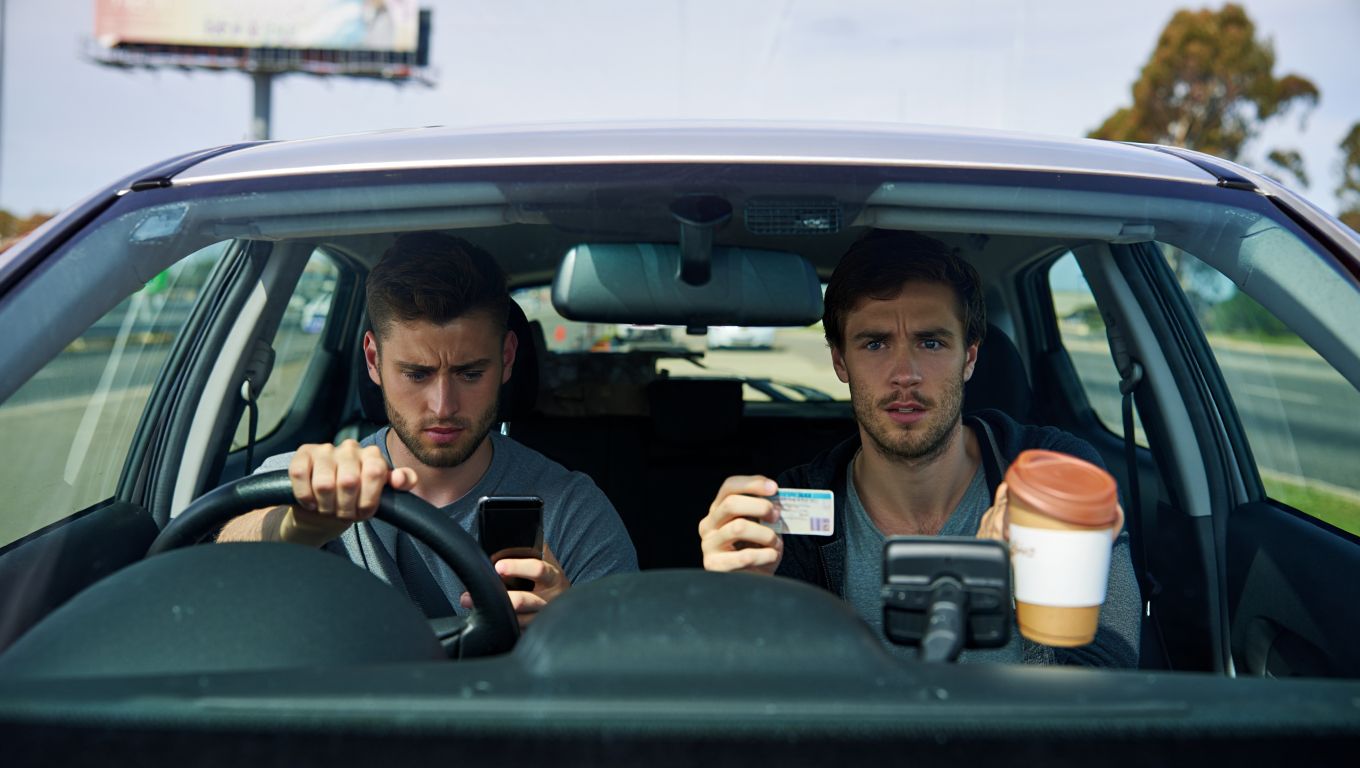
Queensland drivers are waking up to a sharper penalty regime aimed squarely at a very common habit: touching or handling a phone behind the wheel. The updated demerit framework means a momentary tap can now snowball into a licence suspension, especially for those who repeat the offence within a short window.
What has changed, and why it matters
Under the refreshed rules, repeat mobile‑phone offences committed within 12 months now attract extra demerit points, pushing many motorists to the suspension threshold faster than they expect. The state’s road safety stance is clear: distraction kills, and the phone is a habitual distraction.
“You might think it’s just one quick glance, but it’s a chain reaction of risk,” said one Brisbane commuter on their way through the morning rush. That chain can end at 12 points, the level at which most open‑licence drivers face a suspension or a strict good‑behaviour period.
The habit that trips up even careful drivers
The most dangerous trap is the “I’m not moving, so it’s fine” mindset at traffic lights. In Queensland, using or holding a phone while driving remains illegal even when stationary at a red light. If you’re not safely parked, you’re still “driving” under the law.
That includes fumbling to skip a song, thumbing a quick reply, or resting the handset on your lap between gear shifts. What feels minor is exactly what the new system targets.
Who is most at risk right now
Learners and provisional drivers have far less demerit headroom than open‑licence holders. A couple of phone offences can wipe out a P‑plater’s points buffer faster than they can say “hands‑free,” leaving them off the road for weeks or even months.
Parents ferrying kids, gig‑economy drivers, and tradies navigating job sites are also at risk, because busy days make phone temptation feel constant. “If it’s in your hand, it’s in your head,” notes one road‑safety advocate. “And that’s where the danger starts.”
How enforcement is tightening
Queensland’s camera network doesn’t miss much. Fixed and mobile units are now tuned to detect phone handling and capture clear evidence of offences day and night. Traditional roadside policing continues, but the always‑on cameras close the gaps created by time and terrain.
The result is a steadier, broader net. Offences caught by camera carry the same weight as those written by an officer at the window. For repeat offenders, the compounding points add up fast.
What counts as illegal phone use in the car
A quick reminder helps cut confusion. If in doubt, assume you can’t touch the device unless parked safely and using legal hands‑free setup. These actions will get you into trouble:
- Holding or touching a phone while the vehicle is moving or stopped at traffic lights; scrolling, typing, or tapping; using navigation without a proper cradle and hands‑free controls.
The numbers that matter for your licence
Hit the 12‑point mark, and you’ll be choosing between a temporary suspension or a good‑behaviour period with tight limits. Learners and provisional drivers have much lower thresholds, meaning each point is a larger slice of their licence lifeline.
Double demerits for repeat offences within 12 months can quickly turn one lapse into a crisis. Think in terms of “compounding risk,” not isolated mistakes.
Smart ways to stay compliant and calm
Move your phone out of reach before you drive, not after the first ding. Pair your device to the car’s system, use a legal cradle, and set navigation or playlists before you roll off. If you need to interact, pull over and park legally.
Small tweaks make big differences. Enable Do Not Disturb While Driving, use voice‑only assistants, and set auto‑replies that say you’ll respond when it’s safe. “Silence the phone, not your judgement,” as safety campaigns like to say.
What to do if you’ve already slipped
If you’ve picked up recent points, check your demerit balance and consider a defensive‑driving course for a skills and mindset reset. Treat the next 12 months like a probation period: be meticulous with scanning, speed, and following distance to avoid any extra hits.
For professional drivers, talk with your employer about phone‑free workflows and realistic booking windows. Removing time pressure reduces the urge to sneak a tap at the lights or in slow traffic.
The bigger picture on safer roads
This shift isn’t about catching people out; it’s about changing norms. Once the phone becomes a non‑option while driving, attention returns to where it belongs: the road, the mirrors, the gaps. Fewer glances down mean fewer near‑misses, fewer sirens, and fewer hard calls to families.
“Set your rules before the engine starts,” says a long‑haul driver who ditched his windscreen cradle years ago. “When the wheels turn, the phone stays put.” It’s a simple habit that could save your licence—and someone’s life.