
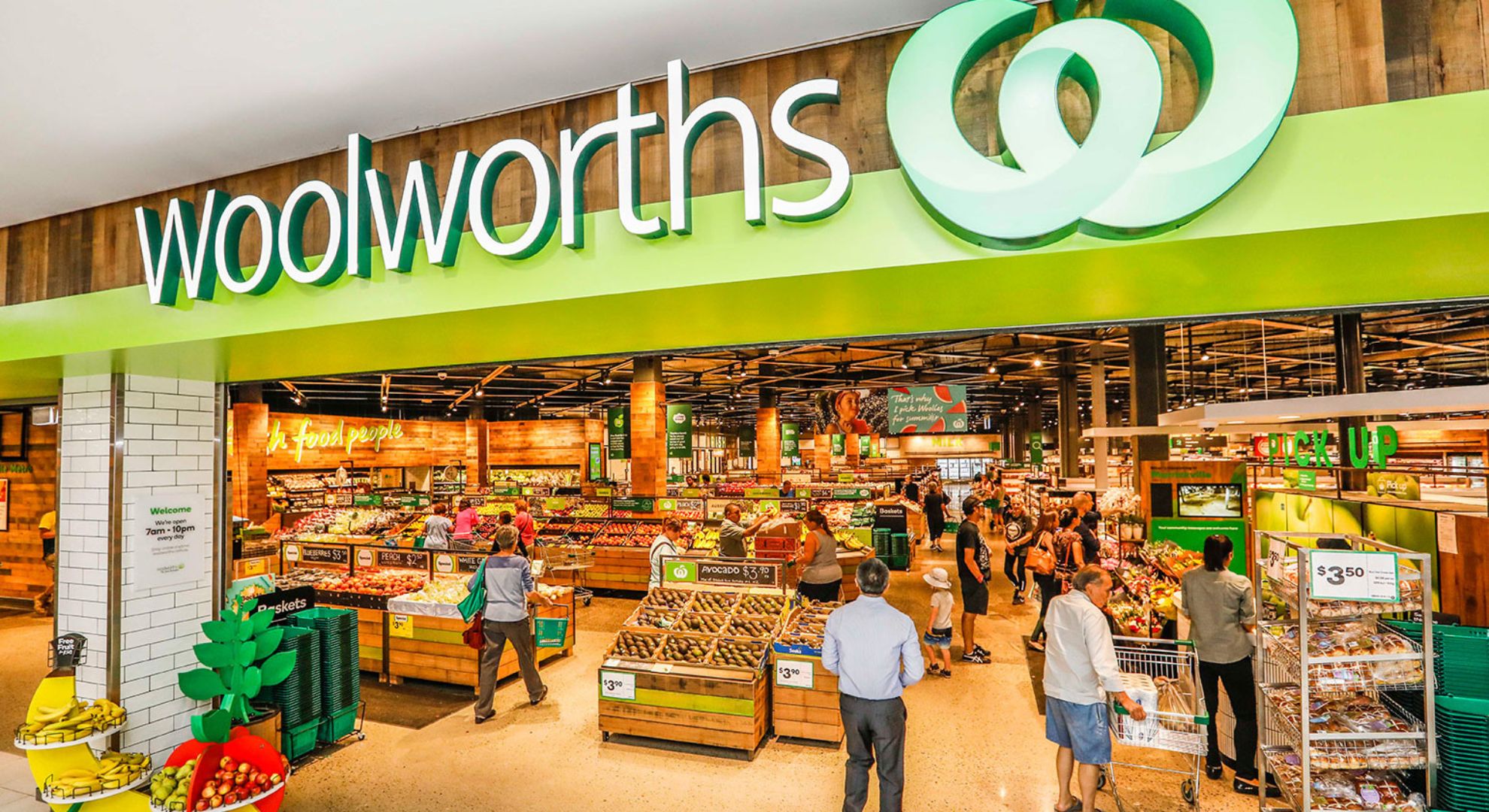
Families feeling the pinch may soon get a breather, with a major supermarket preparing a broad wave of discounts. Beginning Monday, the retailer will roll out lower tags on roughly 500 everyday items, aiming to ease household budgets and rekindle shopper confidence.
The campaign targets basics people buy week in, week out, rather than flash-in-the-pan promotions. That focus signals a push toward steadier, predictable value instead of one-off, short-lived deals.
What the cuts mean for shoppers
For regular baskets, the impact could be tangible. If staples like bread, milk, rice, and cleaning goods all edge down, the total at checkout should follow suit.
Shoppers craving clarity will welcome visibility. Store signage and online filters are expected to highlight which items are included, so customers aren’t left guessing.
A key promise is that these aren’t just end-cap teasers. They’re positioned as genuine drops on products people need, not boutique finds they rarely buy.
Why the supermarket is moving now
With living costs still elevated, value has become a frontline battleground. Rival chains have been pursuing sharper deals, private-label expansions, and bundle-based offers.
“Customers tell us value is their top priority,” a company spokesperson said. “We’re focused on making the weekly shop feel more manageable, not just on special occasions.”
Internally, retailers watch price elasticity like hawks. Modest reductions on core goods can lift volume, which helps margins stay steady.
What’s likely to be cheaper
While the full list is due on Monday, the mix typically spans pantry, fridge, and home-care essentials. Expect a spread broad enough to touch most baskets.
- Pantry basics like pasta, rice, canned tomatoes, and cooking oils
- Breakfast staples including cereal, oats, and peanut butter
- Dairy and dairy-alternatives such as milk, cheese, and yogurt
- Fresh picks like apples, carrots, and seasonal greens
- Cleaning and laundry necessities from dish liquid to detergent
- Baby and personal care, including wipes and basic toiletries
Shoppers should also watch for private-label equivalents, which often magnify savings without sacrificing quality.
How savings might add up
Individually, a 50-cent drop can feel modest. Spread across a dozen lines in a basket, the effect becomes noticeable.
Consider a family that buys three discounted pantry items, two dairy staples, some produce, and a cleaning product. Trim a small amount from each, and you’re suddenly shaving dollars off the weekly shop.
Multiply that over months and the number grows meaningfully. It’s the compound effect of small, consistent wins that matters.
Voices from the aisles
“I’ve been swapping brands just to keep the bill down,” said Maria, a parent shopping with two young kids. “If the basics drop and stay lower, that’s real relief.”
A store manager described a practical shift. “People scan shelf labels more carefully now,” he noted. “When they see clear price movement on must-haves, they reward that with loyalty.”
The company insists the move is designed for stability. “We’re focusing on items our customers buy most,” the spokesperson added. “Value needs to be reliable, not a guessing game.”
How to make the most of it on Monday
Walk in with a short, targeted list. Find the marked reductions first, then build around those anchors.
Compare unit prices, not just shelf tags. Different pack sizes can hide or reveal the best per-gram value.
Give private-brand options a fresh look. Today’s store labels often rival national brands on taste and performance.
If you shop online, use filters and saved lists. This makes it easier to spot new lows and avoid impulse adds.
Finally, match price drops to weekly meals. Planning recipes around discounted ingredients keeps waste low and savings high.
Wider ripple effects
Large-scale cuts can reshape the market tempo. Competitors often respond with their own targeted reductions, bundle deals, or loyalty boosts.
Suppliers may face tighter margins but potentially higher throughput. If volumes lift, factories and farms can recoup via steadier orders.
For households, the psychological benefit shouldn’t be dismissed. Seeing necessities edge down can restore a sense of control, which encourages smarter, calmer shopping.
What to watch next
Three signals will tell whether this move truly lands. First, how long the cuts last. Second, whether baskets actually get cheaper in the aggregate. Third, how rivals react.
If the lower tags persist through peak seasons, shoppers could see real momentum. And if other retailers follow, value might spread like a rising tide lifting all boats.
For now, mark the calendar and bring a sharp eye. Monday’s rollout could be the most welcome line item on this week’s household ledger.