
New month, new rules. If you drive in New South Wales, now is the time to get your habits straight and your setup sorted. The core message is simple: keep your hands, eyes, and mind off your phone and on the road. The details below spell out what to do, what not to do, and how to stay legal when the updated framework clicks into gear.
What’s actually changing
Expect tighter enforcement, clearer definitions, and more consistent application of what counts as “using” a device. Authorities are sharpening the focus on cradle use, hands‑free interaction, smartwatches, and what is allowed when a vehicle is stationary but not parked. As one safety reminder puts it, “If it’s in your hand, you’re in the wrong.”
Who can use what, and when
Learners and provisional drivers face the strictest limits. If you’re on L or P plates, assume zero phone use—no handheld, no cradle, no Bluetooth, no smartwatches. “No peeks, no taps, no excuses,” is the safest mindset.
Fully licensed drivers have narrowly defined allowances. You may use approved hands‑free or a properly mounted cradle for essentials like navigation and audio—never for typing, scrolling, or video. If you’re holding the device, even briefly, you’re using it in the eyes of the law.
Stopped at lights isn’t “parked”
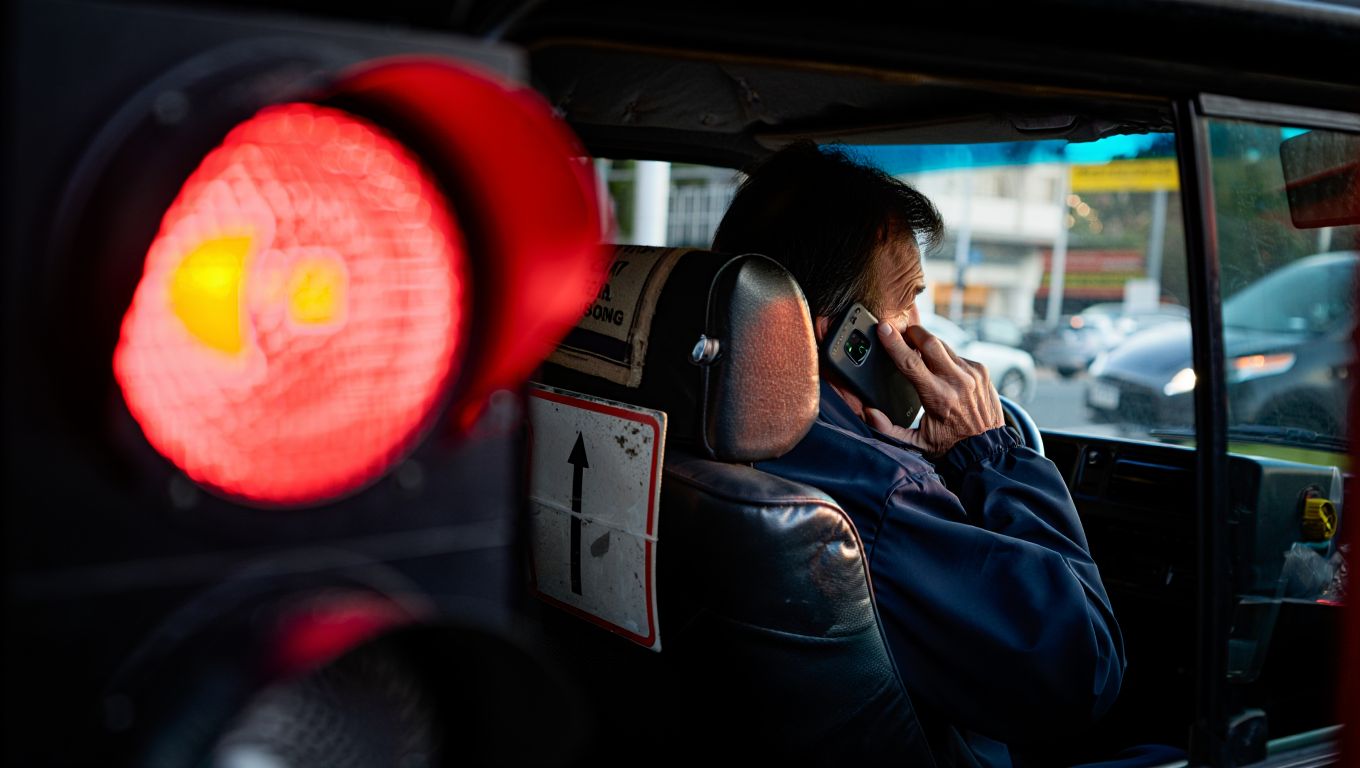
A red light, gridlock, or a drive‑through queue is still driving. You can’t lawfully pick up the phone, glance and swipe, or enter a quick address. “Park it to use it,” means off the traffic lane, safely stopped, and out of the flow.
Cradles, controls, and voice
A compliant cradle keeps the phone secure and within minimal reach—think eye‑line, not lap or console. Set your route and playlist before you move. Use steering‑wheel buttons or voice assistants to keep fingers off the screen. If you find yourself tempted to touch, you’re doing too much.
Smartwatches and wearables
Treat wearables like an extension of your phone. Glancing for time is one thing; reading a long message or flicking through notifications is another. For L and P drivers, that means total avoidance. For full licences, keep interactions truly hands‑free and non‑interactive while the vehicle is moving.
Cameras don’t blink
NSW uses fixed and mobile detection cameras that run day and night. They’re designed to spot phones in hands or in laps, not just up by your ear. When they see a breach, expect a significant fine and multiple demerit points, with higher penalties in school zones and extra sting during double‑demerit periods. “Cameras don’t blink, and they don’t argue.”
Clear no‑go actions
Typing, tapping, swiping, scrolling, filming, video‑calling, reading messages, holding the phone on your lap, or wedging it between ear and shoulder are all treated as active use. So is touching the device while the car is moving, or stopped in the traffic stream.
Emergency exceptions
If it’s a genuine, immediate emergency, you may use the phone to call triple zero once it’s the safest option you have. When showing a digital driver licence, only access it when legally directed and after you’re safely stopped as instructed. The safest default is simple: don’t touch the device until you are fully and properly parked.
One‑minute checklist
- Mount the phone in a legal cradle, set navigation and audio before you go, enable Do Not Disturb While Driving, rely on voice controls, and pull over safely and park before any interaction.
Rideshare, delivery, and work drivers
If your job lives on a screen, design it out of your hands. Use approved cradles, job‑management audio, and voice‑first workflows. Build in safe pull‑over spots to accept jobs, read details, or message clients. A few minutes stationary and legal beats points, fines, and lost income.
Small setup, big payoff
Spend five minutes now to avoid months of pain later. Update your maps, download offline routes, curate a single “driving” playlist, and pin the apps you’re permitted to use while in a cradle. Turn on automatic text replies that say you’re driving and will respond when safely parked.
Mindset for the month ahead
“Set and forget” should be your driving mantra: set it before you start, forget it until you park. If a notification stirs the urge, treat it like a fatigue yawn—pull over, reset, and move on safely. The quickest way to adapt to the tighter rules is to remove the temptation and practice one simple habit every trip.
The spirit of the updated framework is crystal clear: reduce distraction, protect lives, and make the rules easy to follow. Keep the phone out of your hands, keep your eyes on the road, and you’ll glide through the new month fully compliant and far less stressed.