
A surge in electric-vehicle demand has converged on a single, immensely productive site in Western Australia, revealing just how concentrated the battery supply chain has become. The world’s shift to cleaner mobility may look global, but a surprising amount of its critical material flow is remarkably local.
A mine that anchors a movement
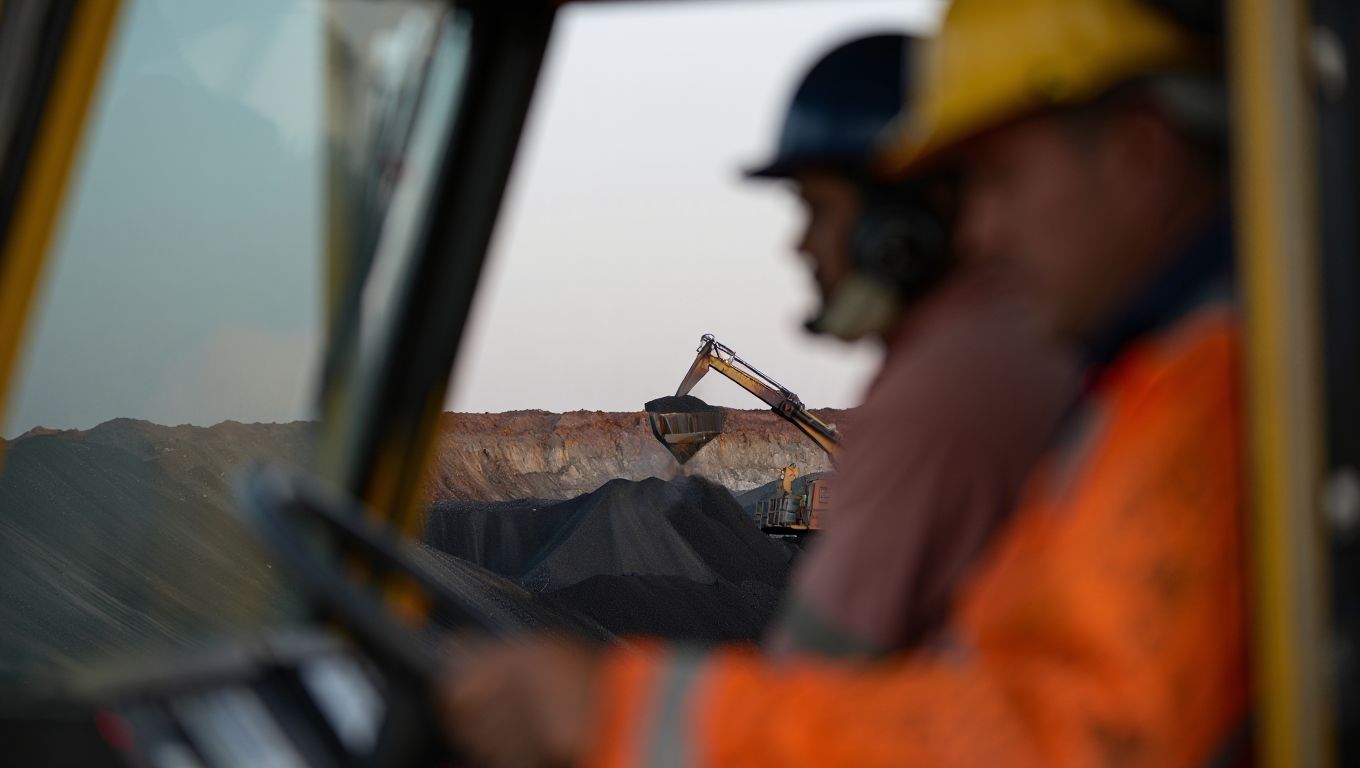
In a quiet forested belt of Western Australia, a vast hard‑rock operation turns spodumene ore into the raw feedstock the battery world craves. This site has grown into the planet’s most prolific hard‑rock source of lithium, feeding refineries across continents. The mine’s product is shipped as concentrate, then converted into lithium hydroxide or lithium carbonate, the compounds that let modern cells charge fast and hold dense energy.
“It’s not just another mine,” said one veteran battery executive. “It’s an industrial anchor for an era-defining technology.” Multiple joint‑venture partners move material from pit to port to processing hubs, knitting together a web that touches automakers in Asia, Europe, and North America.
The math behind the dominance
On paper, the arithmetic looks both simple and startling. A typical mid‑range EV needs several kilograms of lithium in chemical form, with usage varying by battery size, vehicle class, and chemistry. If one operation supplies a large chunk of global lithium units, the downstream effect appears in lines on automakers’ spreadsheets and in the batteries in people’s driveways.
Analysts triangulate share using three moving targets: mine output, refinery yields, and the lithium intensity of the year’s EV mix. Larger SUVs consume more active material, while compact urban cars sip less. “The headline number can swing with product mix and yield assumptions,” noted a raw‑materials strategist. “But the big picture remains unchanged: a single source is shouldering an outsize burden.”
Why concentration happened
Lithium is geologically abundant, yet economical production is a story of logistics and chemistry. Australia scaled quickly on the back of consistent grade, reliable infrastructure, and investment that synchronized mining with refining. At the same time, brine projects in South America took longer to expand, and novel extraction methods face learning curves.
Refining capacity concentrated heavily in China, which mastered conversion at scale. That cross‑border choreography lowers costs but heightens exposure to bottlenecks: a snag at the mine, a constraint at a refinery, or a policy shift can echo through the entire ecosystem. “Supply chains don’t like single points of failure,” as one procurement lead put it, “yet we’ve built one around a pit.”
Price whiplash, planning headaches
When a few assets set the tone, markets get loud. The world watched prices rocket in 2022 and correct sharply in 2023–2024, a boom‑bust cadence that can freeze planning. Automakers fear shortages in one season and balance‑sheet pain from overbuying in the next. Battery makers juggle contracts, index linkages, and hedges while trying to keep pack costs trending down.
For the mine’s owners and partners, that volatility cuts both ways. Strong prices fund expansions and downstream plants; weak prices pressure margins but can accelerate tech adoption. “The pendulum makes everyone nervous,” said a cathode buyer. “But demand’s secular slope still points upward.”
The scramble to diversify
Industry leaders know the cure for concentration is more supply and smarter design. New projects are coming in Canada, the U.S., Africa, and South America, while established South American brines aim to raise throughput with better water and reagent management. Recycling is moving from promise to plant, especially for factory scrap and end‑of‑life packs a few years out. And chemistry is evolving: LFP reduces lithium per kWh versus some high‑nickel chemistries, and sodium‑ion targets cost‑sensitive segments.
- Long‑term offtakes that share price risk and guarantee volume
- Co‑locating refineries near mines to cut shipping and conversion delays
- Building recycling loops to reclaim lithium, nickel, and cobalt
- Deploying alternative chemistries where range demands are modest
What it means for drivers
For consumers, the supply story shows up in sticker price, delivery timelines, and the pace of new model launches. When raw materials are secure, automakers can commit to bolder design cycles and deeper price cuts. When they aren’t, choice narrows, and incentives do the heavy lifting to move inventory and maintain momentum.
Sustainability stakes are high as well. Communities expect tighter oversight of water, biodiversity, and land use; investors watch for independent audits and chain‑of‑custody labels. “Lithium is abundant, but responsible production is the true scarcity,” said an ESG specialist. Certification, traceability, and on‑site renewables are becoming as strategic as grade and tonnage.
The next phase of scale
The spotlight on a single Australian site is both a triumph of industrial execution and a reminder of systemic fragility. It proved that rapid scale‑up is possible, that learning curves in mining and refining are real, and that coordination across borders can deliver millions of battery‑ready cells. It also underscored the need to spread bets—across geology, technology, and geography.
As more sources come online, the market should feel less twitchy, and pricing more predictable. Yet the lesson will linger: in the clean‑tech economy, resilience is an engineering problem as much as a financial one. The world may drive on electrons, but those electrons still start in very specific places—and, for now, one pit in Australia carries an astonishing share of the load.