
The small switch that changed my budget
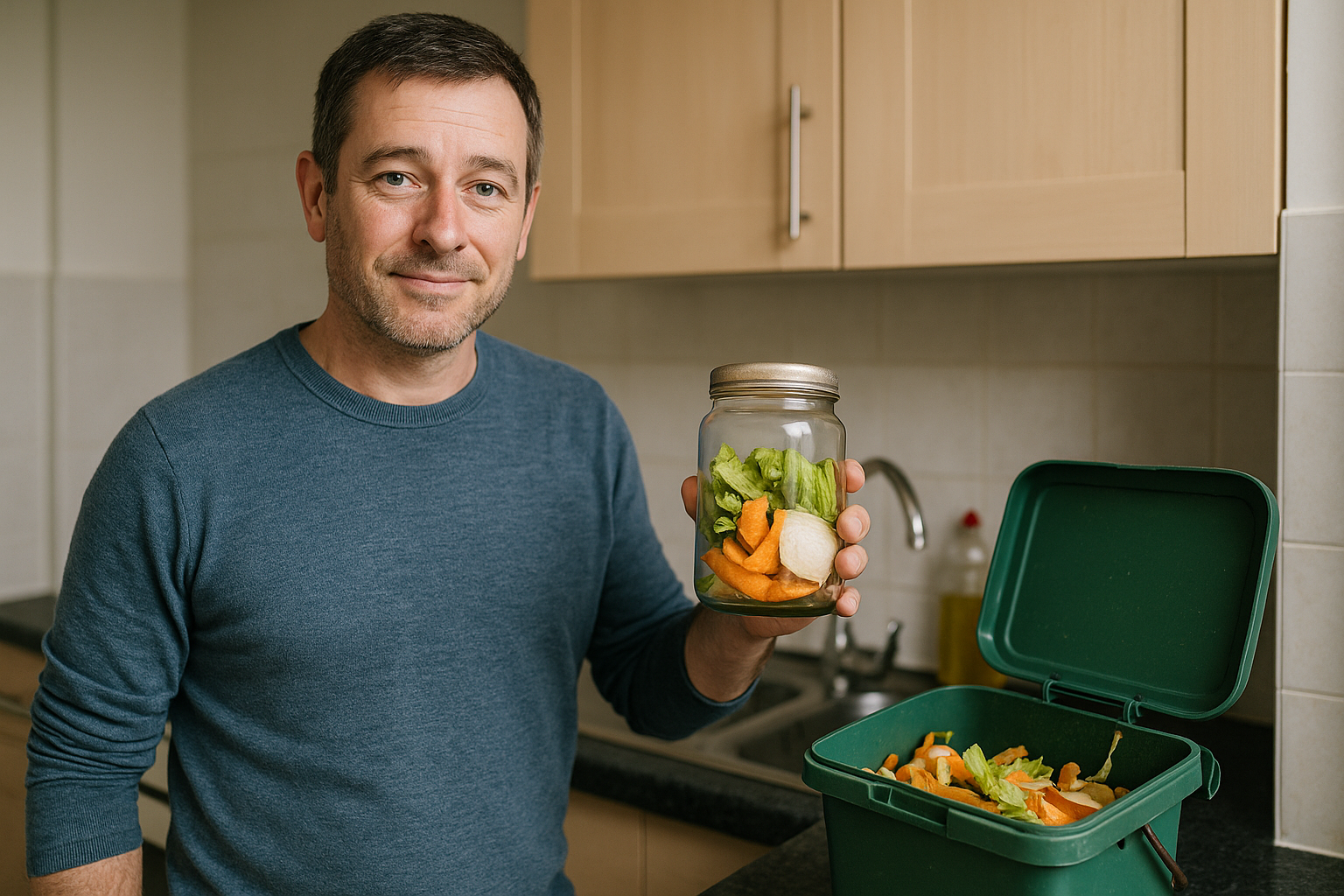
Last winter, I stopped tossing my vegetable and fruit peels, and my budget quietly shifted. What began as a simple habit soon revealed a steady stream of savings, less trash, and more usefulness. I realized those curled ribbons of carrot, potato, and citrus weren’t garbage at all, but a toolkit of everyday fixes. By the end of the year, my expenses had fallen by roughly 300 euros, without sacrificing comfort.
The moment I checked my bin
One evening I took a hard look at my kitchen bin, and the truth felt embarrassingly obvious. A large portion of what I threw away was clean, fresh, and still useful—especially the parts I’d peeled off by habit. Those peels contained flavor, nutrients, and practical value I had never truly counted. I wasn’t just throwing away scraps; I was tossing out potential savings and daily solutions.
Turning scraps into lush plant food
The first breakthrough came from a simple fertilizer, brewed from everyday peels. I soaked mixed vegetable skins in water, added a spoon of coffee grounds, and let it infuse overnight before straining. Every two weeks, I fed this liquid to my houseplants and balcony pots, and the difference was strikingly visible. Leaves looked glossier, growth felt steadier, and I stopped buying bottled fertilizers or extra soil.
Over a year, I skipped pricey soil boosters, fancy plant elixirs, and emergency repottings I used to justify. The gardening aisle stopped being a monthly expense, and my plants looked all the more confident. That shift alone carved out a meaningful chunk of savings, especially if you keep a lively indoor jungle or a small patio garden.
Cooking with peels, not guilt
Next came my favorite part: turning peels into real food, full of freshness and flavor. Potato skins, tossed with olive oil, salt, and paprika, crisp into fast, golden chips. Onion, carrot, and leek trimmings simmer into a deep, aromatic broth that transforms soups and risottos. Apple peels infuse into a gentle cinnamon tea, and citrus zest brightens simple weekday cakes.
“Waste is just a resource in the wrong place,” became my kitchen motto. The more I used, the more creative I felt, and the less I reached for store-bought shortcuts. Every batch was a small victory against waste, and a nudge toward everyday ingenuity.
Citrus and potato skins for a cleaner home
Peels made my cleaning cabinet slimmer and more natural. Citrus rinds steeped in white vinegar turned into a citrus-scented multi-surface spray that cut grease and added a soft, bright smell. I filtered the liquid, poured it into a spray bottle, and used it on counters, tiles, and handles. Potato peels worked as a gentle polish on stainless steel and silverware, leaving a soft sheen without harsh chemicals.
With these swaps, I used fewer bottled cleaners, reduced plastic waste, and trimmed routine purchases. The house smelled subtly like orange and lemon, and my wallet breathed a quieter, easier sigh.
Quick wins you can try today
- Save clean peels in a sealed container in the fridge for broth or quick chips.
- Freeze trimmings in labeled bags to build a rich soup stock later.
- Infuse citrus peels in white vinegar for two weeks to make a natural cleaner.
- Brew a peel-and-coffee-ground tonic to feed houseplants every two weeks.
- Toast apple peels with cinnamon for a crunchy, sweet snack or tea infusion.
Building habits that actually stick
The magic wasn’t in complicated recipes, but in light, repeatable habits. I kept two containers: one for edible peels, one for cleaning and plants. I labeled freezer bags by type—“broth,” “chips,” “citrus cleaner”—so choice felt effortless. On Sundays, I brewed plant tonic and prepped a jar of orange cleaner. During the week, I reached for what was already there, and the habit reinforced itself.
Crucially, I stayed realistic and simple. I didn’t aim for perfection, just a steady bias toward usefulness instead of the bin. The easier the system, the more consistent the savings.
The math you can actually feel
Individually, each swap felt modest, but together they formed real, annual gains. Cutting back on fertilizers, specialty plant feeds, and extra soil saved a reliable sum. Replacing multipurpose sprays and a few niche cleaners shaved more from the monthly shop. Cooking with peels meant fewer packaged snacks, fewer bouillon cubes, and richer flavor from what I already had.
Across a year, those small decisions coalesced into about 300 euros in savings, plus a lighter bin and a calmer sense of control. I didn’t chase deals or clip endless coupons; I just stopped throwing value away.
More than money: a better rhythm at home
Beyond the receipts, this shift changed the feeling of my daily routine. My kitchen became more resourceful, my plants looked more alive, and the house smelled quietly citrusy instead of chemical and sharp. I produced less waste, cooked more creatively, and found a steadier, thriftier pace.
In the end, the lesson was refreshingly simple: what I used to call “waste” was really untapped usefulness. With a jar, a habit, and a nudge of curiosity, those peels paid me back in flavor, growth, shine—and a steadier household budget.