
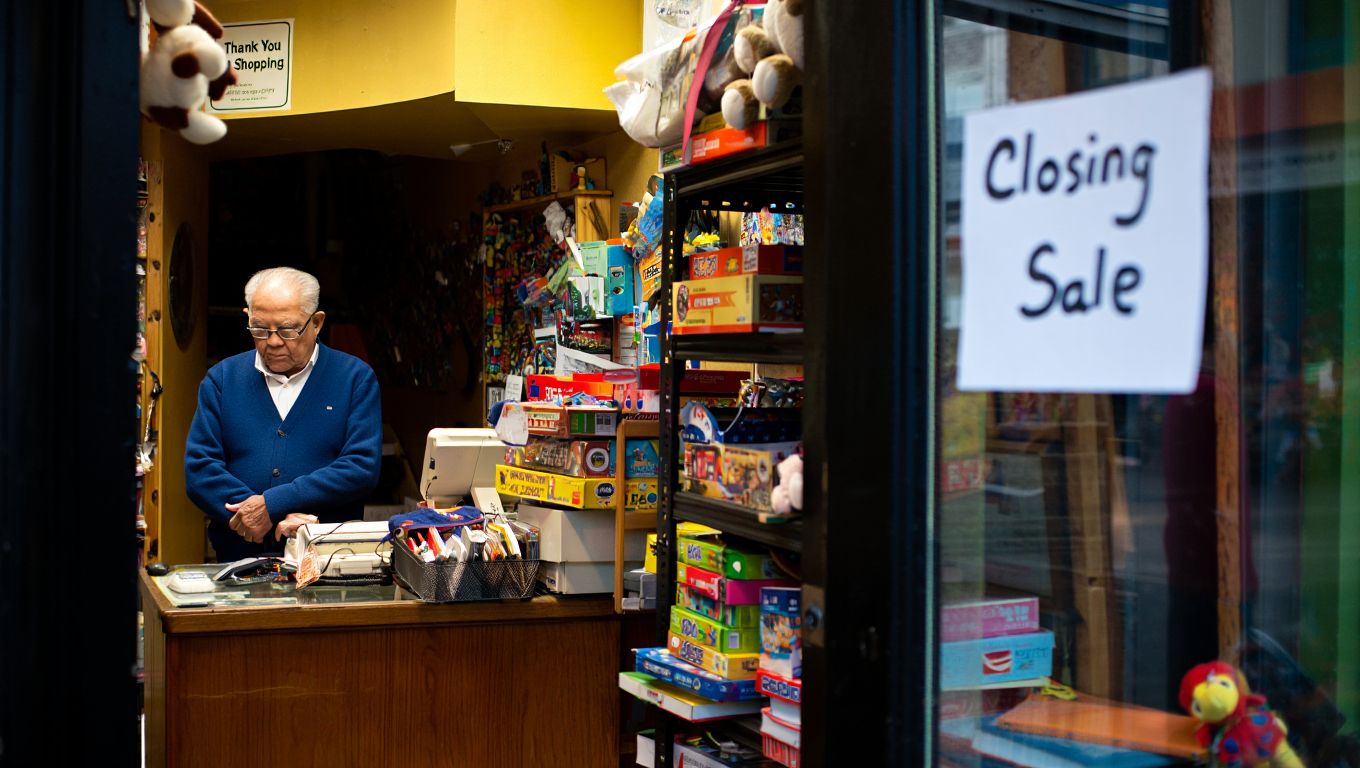
The bell on the door gave a tired jingle as the last Saturday shoppers drifted out into the rain. For three decades, Little Lantern Toys on Grainger Street has been a fixture, a small universe of Lego jungles, wooden trains, and impossibly soft bears. Today, the shelves are thin, the till is final, and a handwritten sign says, simply, “Thank you, Newcastle.”
A shop that raised a city’s childhoods
From the moment it opened in 1994, Little Lantern drew families like a hearth. Owners Sandra and Paul Hunter built a world where curiosity felt safe, where pocket money had weight, and where birthdays began with the soft crackle of tissue paper. “We wanted it to feel like walking into a story,” Sandra said, her fingers worrying an old set of brass keys.
Customers didn’t just buy toys; they collected chapters. “I bought my first marbles here when I was eight, and my daughter got her first plush here at two,” said local teacher Amara Reid, blinking at a row of faded puppet foxes. “It’s not the price, it’s the place. You can’t digitize that kind of care.”
Cracks in the window, strain in the ledger
Even beloved shops live under practical ceilings. Rising costs crept in like winter fog—energy bills, shipping, and the stubborn pressure of business rates. Footfall never quite found its pre-pandemic stride, and online carts glided past with clinical ease. “We fought every month like a finale,” Paul admitted, stacking out-of-season kites beside a display of wooden lutes.
They pivoted with late-night openings and toy workshops, leaning into the kind of human detail a screen can’t mimic. “You can’t ask a website which train set works best in a small flat,” Sandra laughed, the sound catching like a paper cut. But a tight winter and a soft spring left their sums without enough breath, and at last the arithmetic defeated the romance.
The final week, told in small moments
On Monday the queue snaked past the newsagent, gentle, loyal, and surprisingly quiet. Toddlers pressed noses to glass for a last look at the hand-painted winter village, even though it was June and the snow was flecked with glitter. By Wednesday, someone brought a tray of warm scones, and the staff brewed tea in the back like a makeshift wake.
Thursday saw a surge of teenagers who’d grown up with Saturday Lego club, now tall and self-conscious, buying keyrings and leaving scribbled notes. “You taught me patience with a 1,000-piece puzzle,” one message read, tucked beneath a display of tin robots. On Friday, a woman placed her childhood teddy on the counter, then took it back with a firm, smiling no.
The day they turned the sign
By closing time, the air smelled like cardboard and clean plastic, the nostalgic perfume of endings and beginnings. Paul stood near the train set with its perfect oval of bright track, a loop that never learned to stop or start. “We thought we’d pass it on one day,” he said, “but the world turned faster than our little engine.”
Sandra, smoothing the corner of a sale sticker, added, “We never imagined our last receipt would be printed on a day that felt this ordinary.” Then she laughed, watery and warm: “Nothing is ordinary about watching a city say goodbye.”
What the community will remember
- The Christmas window that made Grey Street feel like a storybook
- The squeak of the cellar steps where the board games were hidden
- The birthday badge ritual at the till, always clipped with theatrical fanfare
- The stubborn wooden giraffe that never stood quite straight
- The bell that rang twice when someone returned to say thanks
More than stock, a way of being
In a city of stadium roars and crusty stotties, Little Lantern spoke in a gentler register. The staff learned names, remembered lost teeth, and wrapped gifts with tissue that crinkled like friendly thunder. “You showed us how to buy with our hands,” a father said, balancing a final kite in a damp coat.
Shops like this teach a civic muscle: the habit of looking up, lingering, and sharing sturdy little rituals. When they leave, what goes missing isn’t just choice; it’s the shared stage. “We met our best friends here at toddler time,” whispered someone by the plush otters. Love doesn’t vanish, but it moves to a smaller, quieter room.
After the shutters
Plans are simple: a rest, a long walk, and the slow work of inventory that feels a lot like memory. Some stock will find its way into charity shops, some to local schools and hospital play rooms. The sign will come down, carefully, the gold leaf reading “Little Lantern” set to live above a family mantel.
“We’ll keep the bell,” Paul said, slipping it into a cardboard nest. “Maybe one day it’ll ring again, somewhere with lower rent and children who still want to test a trumpet before they buy it with pocket change.” Sandra squeezed his hand, then the bell, as if both were equally fragile.
A last look back, and forward
Outside, the city kept its noisy, caffeinated pace, unaware of a tiny closing ceremony that felt as solemn as a hymn. A child waved at the window with a stickered hand, and an ex-staffer pressed a postcard to the door that read, “Thanks for making play feel important.” The lights dimmed, and the bell gave one last unprompted tremor.
What survives is not inventory but imprint: an aisle-wide echo of laughter, the cadence of a kind hello, the muscle memory of choosing something marvelous and carrying it carefully through rain. Newcastle will remain loud and bright, but somewhere in the mix there will always be the echo of a small brass bell and a shop that taught the city how to play out loud.