
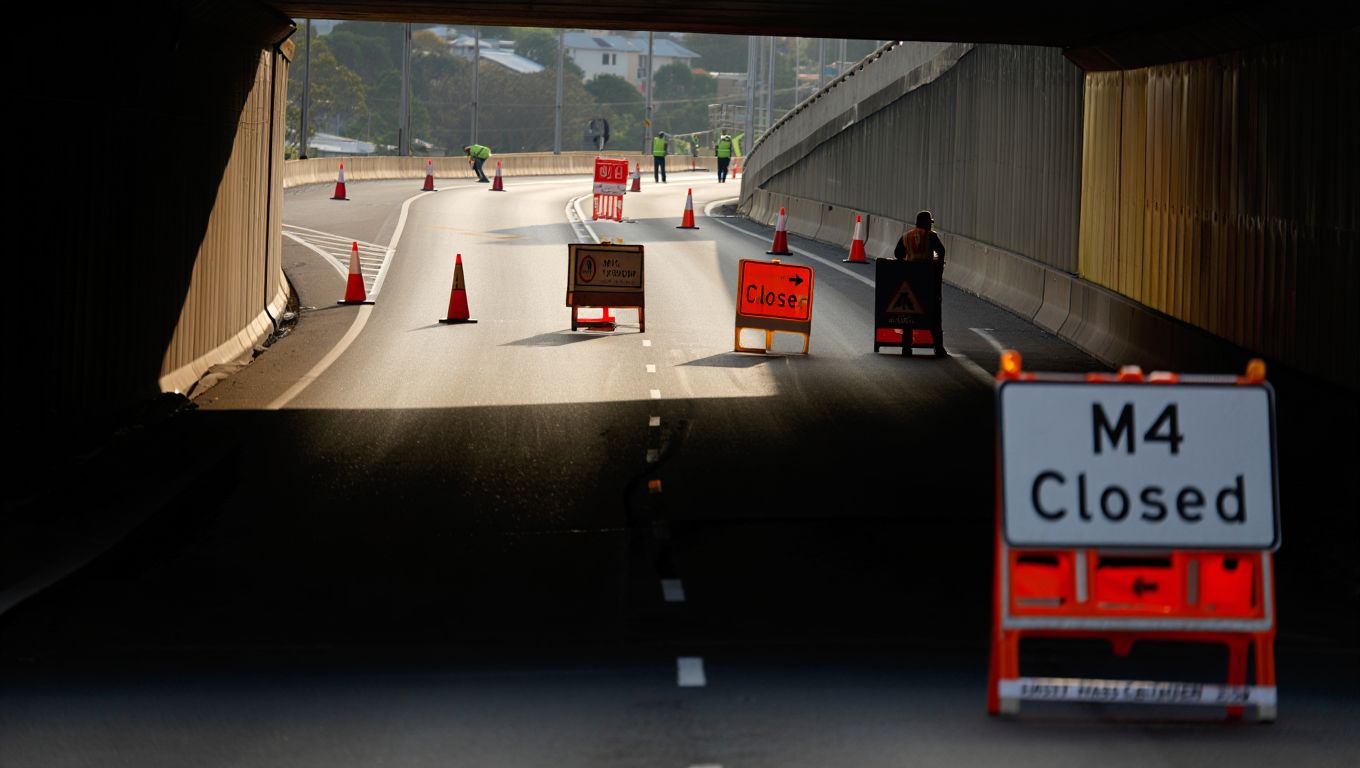
Western Sydney is preparing for a rare, full-scale disruption, as crews move in for a nine-day program of round-the-clock works on the region’s busiest artery. Officials say the operation is designed to deliver a safer, more reliable corridor, compressing months of incremental maintenance into a single, tightly managed shutdown to limit long-term pain for drivers.
What’s changing and why it matters
The plan calls for a complete, two-way closure across a key stretch of the corridor that carries hundreds of thousands of vehicles each week. Engineering teams will replace tired asphalt, renew critical bridge joints, upgrade drainage for better flood resilience, and install new intelligent transport systems to manage traffic more smoothly once the route reopens.
“By concentrating the work, we avoid repeated nightly closures that drag on for months,” said a project spokesperson. “It’s intense, but the payoff is a stronger, quieter, and more predictable motorway.”
Timing and the work zone
The shutdown will run for nine days, with crews operating 24/7 to maximize progress. The affected corridor spans western suburbs where the motorway narrows, interchanges are congested, and ramp merges routinely bottleneck at peak hours. Expect lane closures on approach roads, intermittent access changes at certain interchanges, and extensive traffic management around key pinch points.
Traffic controllers, digital signage, and temporary barriers will guide motorists around the works, but planners warn that detour routes will also be busy during commuting windows.
Detours, public transport, and travel tips
Drivers are urged to plan ahead, shift travel times where possible, and consider alternatives to private cars. The T1 Western Line offers frequent rail services linking Penrith, Parramatta, and central destinations, with additional capacity expected during the shutdown. Local buses will be adjusted to meet demand, and park‑and‑ride options may see increased use.
- Use rail on the T1 Western Line where practical, leave earlier than usual, allow extra time on Parramatta Road and the Great Western Highway, and check live apps for incidents and revised bus frequencies.
One regular commuter put it bluntly: “I’d rather take the train for nine days than sit in crawling traffic for two hours.”
Inside the upgrade
Much of the effort is about underlying reliability rather than flashy new lanes. Crews will mill and resurface sections to reduce rutting and road noise; strengthen bridge decks to extend asset life; refresh guardrails and crash barriers for modern standards; and install new cameras, sensors, and variable message signs that can respond to incidents in real time.
Ramp metering will be recalibrated to improve merges, while drainage pits and culverts are being cleared and upgraded to handle intense downpours. “It’s the kind of work you feel in a smoother ride and see in fewer breakdowns,” the site manager noted.
Managing the impact on communities
Alongside traffic delays, residents can expect construction noise, brighter night lighting, and occasional access changes near work zones. The project team says it will use noise blankets, directional lights, and strict curfews near sensitive areas where feasible, balancing delivery speed with liveability concerns.
Local businesses are bracing for mixed effects. Some expect fewer passing customers, while others hope for a post‑works bounce as travel times improve and logistics move more smoothly. “If it means better freight flow next month, we’ll grit our teeth this week,” said a warehouse operator.
Emergency access will remain prioritized, with dedicated lanes and coordination through NSW emergency services. Pedestrian and cycling routes near interchanges will be monitored and, where needed, re‑routed for safety and clarity.
How to avoid the worst of it
Authorities recommend staggering shifts, embracing flexible work, and clustering essential trips to reduce exposure to peak congestion. If you must drive, choose off‑peak windows, refuel ahead of time, and keep a cool head—merging courteously helps everyone move faster.
Navigation apps will push dynamic detours, but remember that the fastest path at 8 a.m. might not be the best by 8:15, as incidents and volumes shift minute by minute. Keep an eye on official feeds for the most reliable updates.
What drivers gain afterward
When the barriers come down, motorists should notice a quieter, grippier surface, steadier ramp flows, and smarter traffic control that eases shock‑wave braking. Engineers expect fewer unplanned lane closures due to breakdowns and quicker incident clearance thanks to upgraded technology.
“Think of this as preventative medicine for a critical artery,” said the project director. “The benefits are cumulative—small seconds saved at each merge become meaningful minutes across the journey.”
Staying informed
Before you set off, check official channels, transport apps, and local news for live conditions and detour maps. Businesses moving freight should coordinate with carriers, consider alternate windows, and flag deliveries that are time‑sensitive or temperature‑controlled.
The message from planners is simple: a short, concentrated disruption now prevents a long, rolling series of smaller closures later. With a bit of patience and planning, western Sydney drivers will soon be traveling on a safer, smarter motorway built to handle the city’s future growth.