
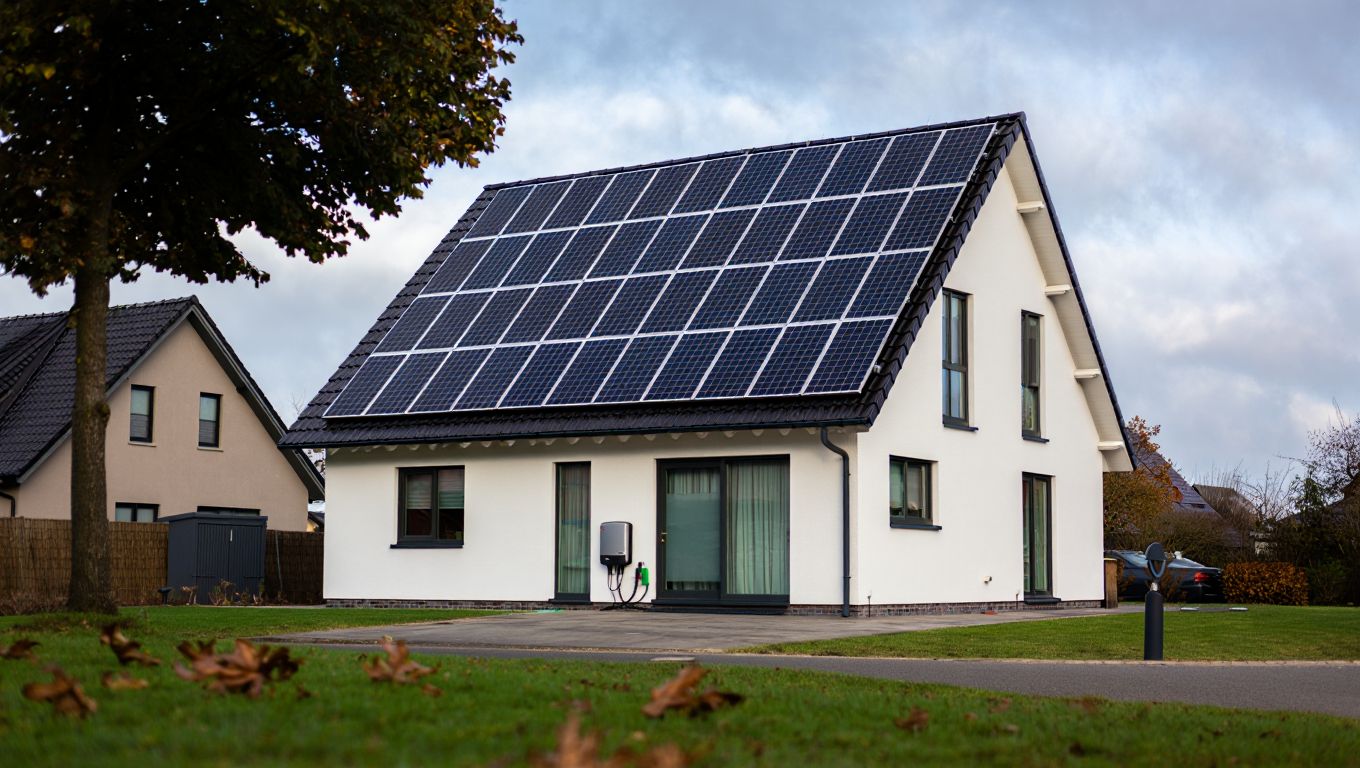
Under a big southern sky, a compact nation has quietly turned suburban roofs into a vast, glittering powerhouse. What began as a trickle of panels has become a household habit, a social norm stitched into weekend renovations and school-gate chatter. In a land of about 27 million, solar isn’t a novelty; it’s a necessity—and a source of everyday pride.
The quiet rooftop revolution
On any given street, you’ll see rows of black glass catching fierce midday sunlight, feeding fridges, laptops, and air conditioners with homegrown electrons. More than a third of detached homes now sport panels, with some neighborhoods nudging half, a density unmatched on a per-household basis. The cumulative effect is profound: daytime demand from the grid collapses as rooftops pour out generation, turning citizens into active producers.
“I used to dread the summer power bill,” says a teacher from Adelaide. “Now the meter spins the other way at noon, and we run the dishwasher guilt-free.” That matter-of-fact tone reflects a cultural shift. Solar is no longer a political statement; it’s a smart appliance, like a heat pump or a Wi‑Fi router.
The numbers tell the same story. Millions of small systems add up to a vast, distributed plant, and on clear weekends the nation’s rooftops outshine any single power station. Per household, the tally is world‑leading, a product of policy nudges, falling costs, and a population quick to adopt practical tech.
Why this small nation surged ahead
- Abundant sunshine: High solar irradiance turns modest roofs into reliable generators.
- Relentless price drops: Hardware got cheaper, installers got faster, and payback periods got shorter.
- Simple incentives: Early feed‑in tariffs and clean‑energy standards built confidence and cut red tape.
- Bill shock avoidance: Solar is an everyday hedge against volatile electricity prices.
- DIY spirit: A culture of home improvement embraced panels like another backyard upgrade.
“It wasn’t ideology,” notes a veteran installer in Perth. “It was math and sunshine. When payback fell under five years, phones didn’t stop ringing.”
How rooftops reshaped the grid
With PV saturating suburbs, the electricity system learned new tricks. Midday demand curves now dip like a duck, wholesale prices can turn negative, and network operators manage flows the way air‑traffic controllers choreograph skies. Smart inverters respond to frequency wobbles, export limits balance feeder loads, and virtual power plants knit homes into flexible, fast‑acting fleets.
Batteries add a second act. Evening peaks soften as stored midday sun returns to living rooms and streetlights. During heatwaves, aggregated home systems can deliver grid‑level support, shaving peaks that once demanded expensive gas‑fired plants. “Thousands of tiny assets can behave like one big, dependable unit,” an energy analyst observes. “It’s choreography, not chaos.”
This distributed texture brings resilience, too. Storms may topple a substation, but the sun still feeds a street of self‑sufficient homes. Outages shrink, diesel generators idle, and communities gain a new kind of quiet confidence.
Challenges behind the shine
None of this is friction‑free. Voltage rise on sunny cul‑de‑sacs needs smarter controls, and some households face export caps at lunchtime. Renters and apartment dwellers risk being left behind, which is why shared solar, community batteries, and equitable tariffs matter. Roof orientation, shading, and varying installer quality demand stronger standards and trusted, plain‑English advice.
Then there’s end‑of‑life planning: panels last decades, but recycling must scale with early‑adopter cohorts. Fire‑season realities complicate operations, asking for robust shutdown procedures and clear, consistent training. Even success creates its own headaches—like midday abundance that undermines retail margins and confuses tariff signals.
Still, each challenge has a visible pathway. Smarter meters, flexible export markets, and dynamic tariffs are already moving from pilot to policy. As one grid operator put it, “We don’t fear rooftop solar; we fear not integrating it well.”
What the world can learn
The playbook isn’t a one‑size fits all, but the principles travel well. Make adoption simple; standardize equipment and processes; reward flexibility, not just raw generation. Pair PV with heat pumps and EVs to soak up midday surplus, then let software time‑shift loads with quiet precision. Support renters through building‑level solar, shared storage, and fair‑split billing. Keep trust high with transparent warranties and certified installers.
Crucially, speak to the kitchen‑table economics. People buy panels to lower bills and gain control, and the climate upside arrives as a sturdy bonus. When regulators design markets that pay for fast, local help—frequency response, peak shaving, voltage support—households become partners, not passive passengers.
In the end, the lesson is disarmingly simple. Put clean power where people live, make it easy to plug in, and let millions of modest decisions build something quietly extraordinary. Under a generous sun, that approach has turned ordinary roofs into the world’s most persuasive energy story—one inverter click, one meter roll‑back, one bright afternoon at a time.