
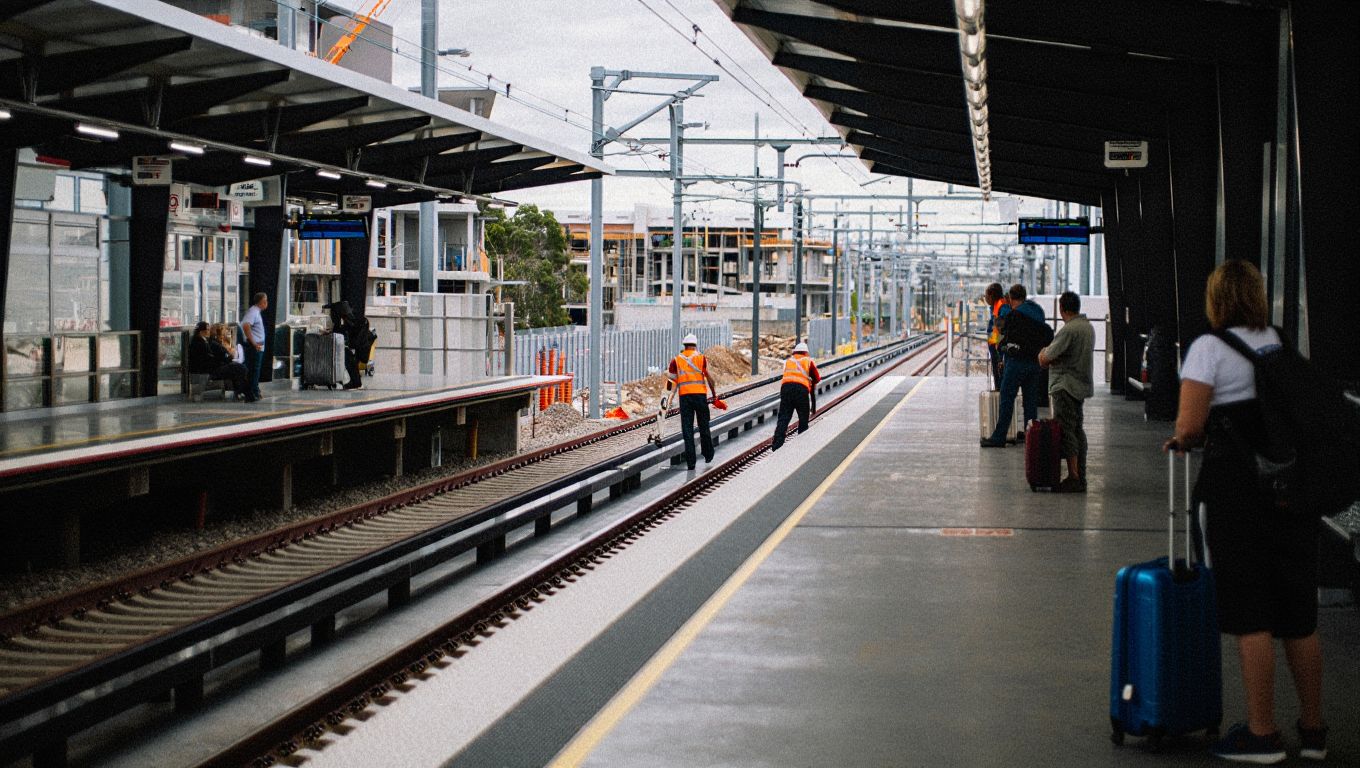
The long-promised link to Perth’s northeast is finally imminent, with passenger services slated to begin next month. For households strung along the growth corridor, the new trains will feel less like a ribbon-cutting and more like a reset, shrinking travel times and changing daily habits.
Years of shifting timelines, tricky construction windows, and supply shocks have left communities both impatient and hopeful. As one planner put it, “building a city-shaping line is never a straight line,” a nod to the political and engineering complexities that defined the project.
What the opening means for commuters
At its core, the line stitches Ellenbrook directly into the broader network, with a fast interchange at Bayswater that speeds trips to the CBD. The end-to-end journey is expected to clock in at around 30 minutes, drastically undercutting peak-hour bus-and-car commutes.
Five brand-new stations — Noranda, Morley, Malaga, Whiteman Park, and Ellenbrook — anchor the route, each designed for high accessibility and future growth. Designers leaned into open concourses, weather protection, and clear sightlines for safer, smoother flows.
Key features at a glance
- Faster trips to the city, with a seamless transfer at Bayswater
- New stations serving dense suburbs and a major park, with space for future homes
- Integrated bus interchanges and expanded park‑and‑ride bays, plus secure bike storage
- Trains expected every few minutes in the peak, with reliable off‑peak headways
Why it took so long
The scheme has been through multiple iterations, from early concepts to full funding and formal delivery. Pandemic-era constraints, worker shortages, and material price spikes all left their mark, pushing milestones further down the calendar.
The engineering at Bayswater — now a pivotal interchange — became a project in its own right, with intricate staging to keep the network moving. One official described it as “surgery on a living organism,” a line that had to keep breathing as crews rebuilt its arteries.
Service pattern and frequency
Launch timetables will favor high-frequency running, with more trains layered in as demand grows. Expect tighter headways during the morning and afternoon peaks, and evenly spaced off-peak services to keep trips predictable.
Bus routes are being re-mapped to feed the new stops, trimming duplication and unlocking faster journeys. For many riders, the first and last kilometre will be the shortest part of the day, not the drag.
Testing, safety, and readiness
Before any ticket is scanned, the line must clear rigorous dynamic tests, signal verifications, and emergency drills. Drivers and station teams are being trained for platform operations, dwell-time management, and real-time incident response.
“Safety sits above the launch date,” internal briefings repeat, a reminder that opening-day excitement never outranks operating discipline. The public will see test trains in the weeks ahead, a visible sign that systems are locking into place.
What riders should do now
If you live near the corridor, carve out time to explore your options, especially revised local buses. Map your transfer at Bayswater, note platform changes, and save the operator’s live-status links on your phone.
Two small steps can smooth the first week: top up your fare card in advance, and build a few extra minutes into your commute while crowds settle and patterns stabilize.
Urban change along the stations
Each stop doubles as a catalyst for new housing, jobs, and community spaces. Developers are circling mixed-use plots, while councils weigh height, shade, and active-street frontages to keep precincts lively and safe.
Whiteman Park gains a powerful gateway, making weekend visits less car-dependent and more spontaneous. For families, that translates to shorter travel windows and more time on the trails — not in the traffic.
Voices from the corridor
Locals have called the line “a genuine game‑changer,” a phrase repeated at community forums. Another frequent refrain: “It’s about time,” a wry recognition of the years spent waiting for the start.
From small retailers: “Foot traffic is our oxygen,” one shopkeeper noted during planning consultations. “If trains bring us a steadier pulse, we can hire, invest, and stay.”
Day-one realities
Launch days are equal parts celebration and logistics, with ambassadors guiding queues and clearing questions. Don’t be surprised by busier platforms, slower boarding, and a few teething issues as the rhythm beds in.
Officials have emphasized “clear communication,” with staff on hand and updates pushing through apps and station screens. Bring a little patience; the line will quickly feel ordinary — in the best possible way.
What comes next
Once trains are running, data will sharpen scheduling, pinpoint pinch points, and guide incremental upgrades. More bike rails here, an extra service there — the quiet tweaks that make a new line feel mature.
In a city growing north and east, this corridor gives commuters back their time. After the slow burn of delivery, the real measure starts on day one: doors open, wheels turn, and a long-promised line finally moves.