
The deal looked mundane at the time, a cash infusion for a cash‑strapped jurisdiction. Years later, it sits at the intersection of alliance politics, contract law, and shifting great‑power rivalries. Undoing it is proving messier than anyone in 2015 could have imagined.
A lease signed in a different era
Back then, the Northern Territory sought funds to expand trade and modernize infrastructure. A Chinese company secured a 99‑year lease for roughly A$500 million, a sum that felt transformational to local leaders.
Oversight rules were looser, and the purchase slipped past the kind of federal‑level scrutiny that is now routine. “It felt commercial, not geopolitical,” says one person who followed the process.
Strategic tides have shifted
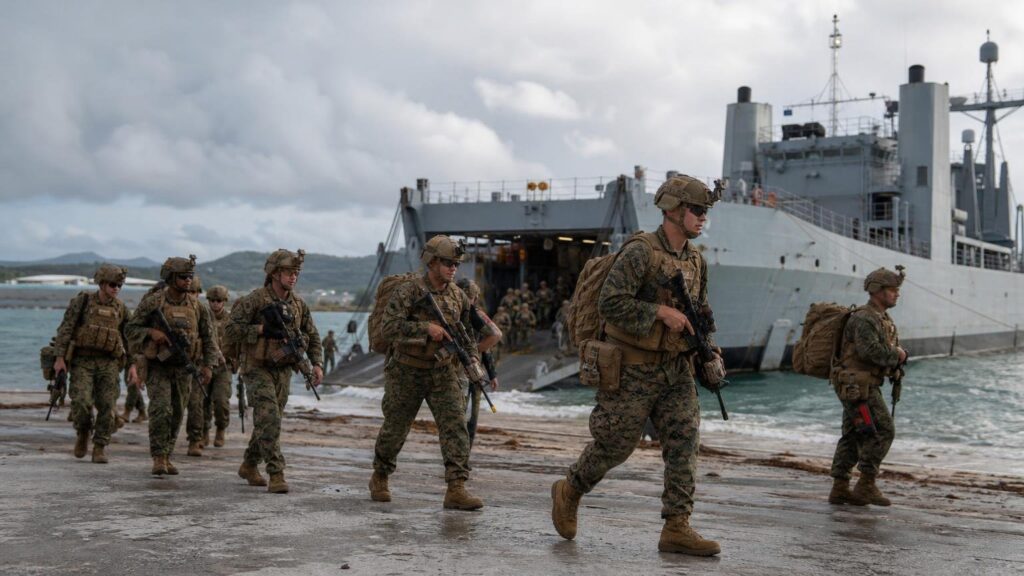
The world that existed in 2015—before talk of AUKUS, tech export controls, and soaring mistrust—has receded. Today the site is a staging point for US Marines rotating through Australia, and a symbol of allied deterrence in the Indo‑Pacific.
That dual identity—commercial asset, strategic node—creates the present friction. “It’s not as simple as ripping up a contract,” goes a frequent refrain in Canberra and Washington.
Why unraveling the lease is so hard
Contracts confer rights, and tearing them up invites compensation claims, arbitration, and potentially higher borrowing costs for the host nation. Governments can act on security, but they must prove necessity and pay what lawyers call equitable damages.
There is also the specter of sovereign risk: if the state can void long‑term leases easily, future investors demand bigger returns or walk away. “Lawful but awful,” quips one policy veteran, capturing the bind of choosing between legal risk and strategic discomfort.
- Legal exposure and costly compensation claims
- Damage to sovereign risk credentials and investor confidence
- Diplomatic blowback amid already strained ties
- Operational disruption to trade, logistics, and shipping
- The precedent it would set for other foreign investments
Mitigation instead of rupture
Successive reviews have opted for guardrails rather than a dramatic severance. Authorities have layered on security directions, closer information sharing, and stricter oversight of port systems that touch defense or critical data.
Day‑to‑day operations remain commercial, but with more eyes on cyber posture, vessel traffic services, and access that could intersect with military movements. In practice, the state tries to make the port “boring but secure,” hardening the bits that truly matter.
The optics problem
Mitigations do not erase the symbolism. An asset at the northern gateway, tied to a company from a strategic competitor, feels out of step with a tougher era. For some, it’s an unacceptable vulnerability; for others, a manageable irritant.
Allies must also manage narratives. Washington wants smoother interoperability, fewer seams in logistics, and clarity about who controls what infrastructure when contingencies arise. “Allies fight as they train; they also deploy where they can dock,” as one military planner likes to say.
The buyback path and its price
One practical option is a negotiated buyback—quiet talks, a premium over book value, and an amicable handover. That reduces legal drama, preserves investor confidence, and contains diplomatic fallout.
But it is expensive, politically delicate, and must survive domestic scrutiny that asks why public funds are used to unwind earlier choices. Any mismatch between what sellers expect and what taxpayers will tolerate slows the clock and raises the stakes.
Could a security override work?
Every country reserves powers to intervene when national security is at risk, especially in critical infrastructure. Exercising them requires a defensible record, proportionate remedies, and readiness to pay compensation while weathering legal challenge.
That play is most persuasive after a specific incident or a failed mitigation effort, not as a preemptive policy gesture. Without a clear trigger, it looks like politics first, law second, and can boomerang in international forums.
Living with ambiguity
For now, the likely path is de‑risking, not decoupling: tighter cyber standards, clearer defense carve‑outs, emergency operating protocols, and contingency plans that lessen reliance on any single operator. The goal is to make the lease less consequential, even if it cannot be easily undone.
That approach is unsatisfying but workable. “Sand in the gears, not a sledgehammer,” as one strategist puts it—enough friction to deter misuse, not so much that it spooks the entire market.
What this teaches allies
First, cash‑hungry regions will keep making big decisions that outlast political cycles. National frameworks must anticipate subnational deals and require early security screening before signatures harden into legal facts.
Second, speed matters. The longer a contract settles, the more expensive the exit and the harder it is to marshal public support. Early, transparent reviews save money, time, and strategic bandwidth.
Third, capacity is strategy. Building domestic port expertise, financing alternatives, and allied co‑investment makes secure choices viable when the next opportunity arrives. That is how you keep critical arteries open—on terms you can live with when the tide turns.