
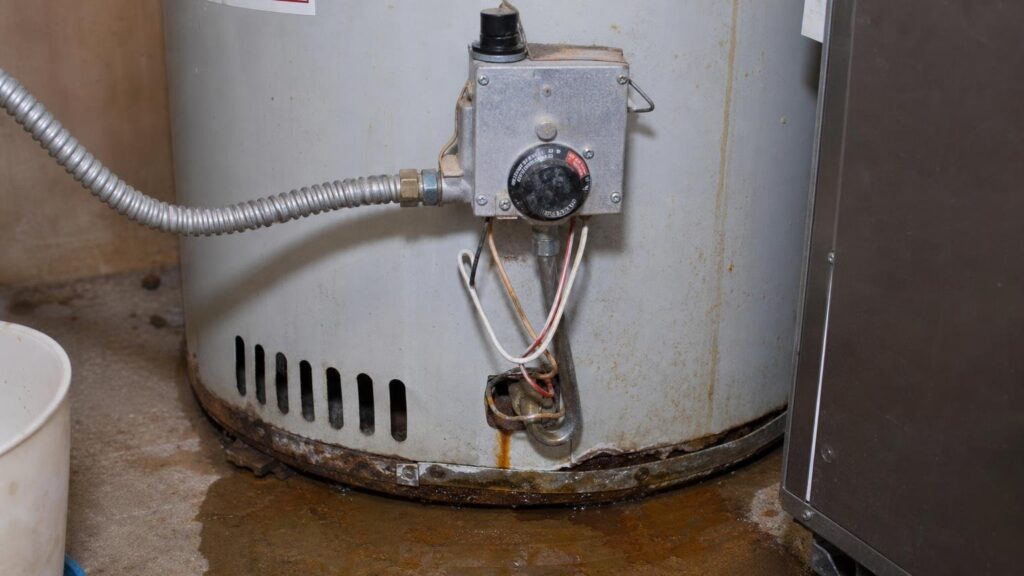
Hot water systems rarely fail without sending signals. Days and weeks before they quit, they begin to speak—quiet at first, then unmistakable. If you’re tuned in, those sounds can save you money and spare you a cold-shower surprise.
Think of each noise as a small warning. Some are gentle, like a soft tick, and others are urgent, like a sharp hiss. The trick is knowing which sounds mean “watch me” and which mean “shut me down.”
As one seasoned technician told me, “A tank’s last chapter is often audible; the ending is loud, the prologue is subtle.”
Why strange noises arrive early
Inside every tank, minerals collect. Over time, sediment blankets the bottom like a heavy quilt. When burners or elements heat through that layer, water flashes into tiny steam bubbles that collapse with a pop or rumble. That turbulence stresses metal, cooks gaskets, and shakes loose scale.
Pressure also plays a role. Valves stick, lines restrict, and expansion fights for space. When pressures don’t equalize, you hear whistling, knocking, or valve chatter. Each sound points to a specific cause—and a specific risk.
Decode the sounds
A steady, popcorn-like popping usually means heavy sediment. Those micro-explosions indicate trapped steam under a crust of minerals. Left alone, it accelerates wear and raises your energy bill.
Low, rolling rumbling is the same story, just bigger. It signals thick deposits, overheating, and metal fatigue. Tanks that rumble daily are on borrowed time.
A sharp, kettle-like whistle or screech points to restricted water flow. It can be a partially closed valve, a clogged inlet screen, or scale in a heat exchanger. That “tea-kettle” note means pressure is forcing water through a narrowed path.
Clean, continuous hissing from an electric unit often means an element is cooking off scale. If the hiss grows louder or is joined by a sulfur “rotten-egg” odor, bacteria in the tank or a failing anode could be the deeper issue.
Intermittent metal ticking or soft creaking when heating starts is usually harmless pipe expansion. But persistent, loud ticking can flag loose clips, rubbing runs, or scalding-hot setpoints.
Sudden, cannon-like banging when a tap closes is classic water hammer. That shock wave abuses valves, solder joints, and the tank’s internal glass lining. Ignored, it becomes a leak-making machine.
Hollow, windy whooshing on a gas model suggests a dirty burner or restricted combustion air. Soot and dust lead to incomplete burn, higher CO, and lower efficiency—not sounds to dismiss.
A high-pitched T&P valve sizzle, with hot water at the discharge pipe, is a red flag. That valve protects against dangerous over-pressure and over-temperature. If it’s venting, treat it as an immediate hazard.
As one pro put it, “If the relief valve is talking, the system is shouting—stop listening and start acting.”
What to do right now
- For loud rumbling or popping: turn the thermostat down, schedule a professional flush, and ask about descaling.
- For whooshing or burner roar: shut the unit off and have the burner cleaned and adjusted.
- For screeching/whistling at fixtures: fully open isolation valves and clean supply screens.
- For hissing on electrics: cut power at the breaker and check elements for scale or failure.
- For water hammer: install or recharge hammer arrestors, and slow-closing tap cartridges.
- For any T&P discharge: cut power/gas, close the cold supply, and call a licensed technician immediately.
Keep it quiet with simple habits
Once a year, drain a few gallons to purge sediment. In hard-water regions, consider an annual professional flush or a scale-reducing device. Keep the thermostat near 120°F to temper expansion and slow mineral dropout.
Replace the anode rod every 3–5 years, or sooner in aggressive water. A healthy anode keeps the tank from sacrificing its own lining. Inspect the T&P valve annually with a careful lift-and-release test and verify the discharge line is clear and day-lighted.
Ensure combustion air is clean and unobstructed. Vacuum dust from burner compartments and check for clean, blue flame. On electrics, listen for new hums after element replacements—a buzz that grows is a service clue.
Know when to stop repairing
If a tank is past 8–12 years and starts to rumble daily, you’re gambling with time, water, and drywall. Multiple noises appearing together—popping plus whistling, or hissing plus relief-valve activity—point to systemic fatigue.
“It’s cheaper to choose your replacement than to pay for the one that chooses you,” says a frank, old-school plumber. Plan the swap before the carpet gets soaked.
Silence, in this context, is earned by good maintenance, quick responses, and smart timing. When your system starts to talk, listen early, act calmly, and keep the hot water—and the peace—flowing smoothly.