
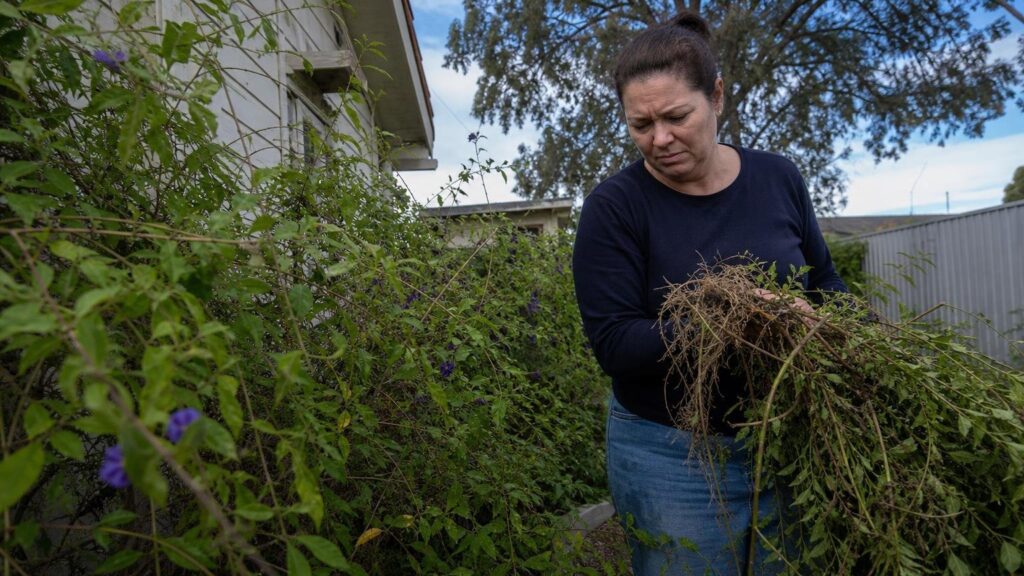
Backyards across Australia hide a surprising problem: popular plants that turn nasty beyond the fence line. Councils are urging residents to rethink old favourites, not to spoil gardens, but to protect creeks, bushland and wildlife.
“We’re not anti-garden,” says a regional weed officer. “We’re pro-biodiversity, and some ornamentals quietly undermine that.”
The ask is simple: remove the worst offenders, stop new seed set, and replant with safer choices. You’ll keep the street leafy while giving local ecosystems breathing room.
Lantana (Lantana camara)
Pretty clusters of pink, yellow and orange hide a ruthless invader. Lantana forms dense thickets that smother young trees, block wildlife movement, and intensify fire risk. It’s toxic to livestock and one of Australia’s declared Weeds of National Significance.
Control works best with a plan. Cut stems low and “paint” the fresh stumps with a registered herbicide, or dig out crowns when soil is moist. Bag berries, never compost, and monitor for resprouts after rain. Swap it for tough native shrubs like Grevillea or Westringia that feed birds without the invasive baggage.
Pampas Grass (Cortaderia spp.)
Those feathery plumes look dramatic, but each flower head throws out thousands of seeds on the wind. Pampas colonises road verges, dunes and reserves, and the dry leaves add fuel to summer fires. It also harbours vermin and blocks access for maintenance crews.
Tackle it before it flowers. Remove plumes into sturdy bags, then cut the clump low and dig out the crown. For big clumps, a cut-and-paint approach can finish off the core. Replace with non-invasive grasses like Lomandra or native Poa, which give the same movement without the seed storm.
Privet (Ligustrum lucidum and L. sinense)
Often clipped into hedges, privet escapes via bird-dispersed berries and invades creeklines and gullies. It’s notorious for triggering allergies when flowering, and its dense shade silences the native understorey.
Work from small to large. Hand-pull seedlings after rain, then use cut-stump herbicide on larger stems so roots don’t re-sprout. Bag fruit and keep piles off bare soil to prevent accidental strike. Hedge with safer screens like Lilly pilly (Syzygium) or Callistemon, which give privacy and pollinator food.
Wandering Trad (Tradescantia fluminensis)
This glossy groundcover looks innocent, but it carpets creek banks, smothers seedlings, and can irritate some dogs’ skin. Every broken piece can regrow, so “just ripping it up” spreads it further.
Go slow and clean. Rake gently to lift mats in sheets, shake out native leaf litter, and bag every fragment. Don’t mulch or compost it. Solarise in sealed bags until it turns to sludge, or follow up with targeted herbicide where fragments keep returning. Replant shade-tough natives like Viola hederacea or Dichondra repens to lock the soil and block reinvasion.
Asparagus Fern (Asparagus aethiopicus/plumosus)
Feathery fronds and red berries charm birds, which then drop seeds through bushland. Below ground, wiry crowns and tubers make this plant tenacious. It blankets the understorey and pricks unwary hands.
Start by removing the fruit to shut down the seed supply. Lever out the central crown and as many tubers as you can reach, bagging all material. In heavy patches, cut-and-paint can be decisive, followed by seasonal checks. For a similar look, try native ferns like Blechnum or tough strappy plants like Lomandra.
Why councils care — and how you can help
When garden plants jump the fence, ratepayers foot the bill for control in bushland, along roads, and in waterways. “Do it once, do it right,” says a coastal ranger. “Stopping seed set at home saves us all money downstream.”
A few simple steps make a big difference:
- Check your local council’s weed list, time removals just before flowering or after rain, bag and bin seed heads and fragments, follow label directions on any herbicide, and replace with climate-smart natives suited to your microclimate.
Think of it as a garden refresh with broader impact. You’ll cut maintenance headaches, welcome more local wildlife, and keep cherished views of bush and coast intact.
“People are surprised how quickly a yard feels more alive when the invaders go,” says a volunteer bushcarer. “Swap one problem plant for three diverse natives, and suddenly the garden sings — and the bush stops paying the price.”